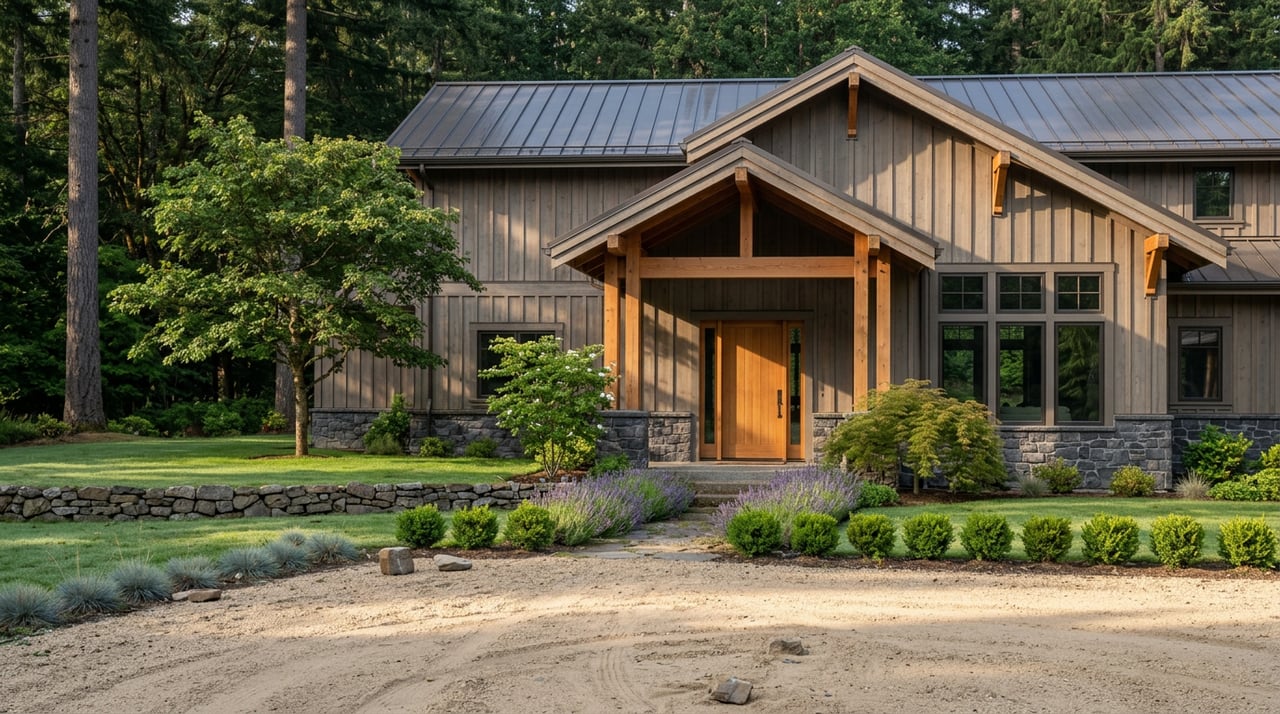
Eyeing a premium home near Intel or Nike and wondering how to finance above the standard loan limits? If your offer price sits beyond the conforming threshold, you are likely in jumbo territory. Your income may include bonuses, RSUs, or equity, which can make the process feel complex. This guide gives you clear steps to qualify, set timelines, and navigate appraisals in Washington County’s tech corridor. Let’s dive in.
Jumbo basics in Washington County
What counts as a jumbo
A jumbo loan is any mortgage above the current FHFA conforming loan limit. Because this limit adjusts each year and can vary by county, you should verify the current number for Washington County before you shop. Loans that exceed that limit follow different rules and are not purchased by Fannie Mae or Freddie Mac.
Where you will see jumbos in the tech corridor
In Washington County, buyers targeting premium single-family homes or newer custom builds around Hillsboro, North Hillsboro, and Beaverton often cross the conforming line. Proximity to major employers and commuter routes can push prices higher in certain micro-markets. That is where jumbo financing becomes common.
Common jumbo loan types
- Conventional jumbo with full documentation.
- Portfolio loans that a bank keeps on its books, sometimes with more flexible terms.
- Bank statement or other non-QM options for self-employed or 1099 income, usually at higher rates.
- Interest-only or adjustable-rate jumbos from select lenders.
Note that private mortgage insurance is usually not available on jumbos. Lenders rely on larger down payments or second-lien structures to manage risk.
How lenders evaluate your profile
Income and documentation for tech professionals
If you are a W-2 engineer or executive, expect to provide 2 years of W-2s, recent pay stubs covering 30 days, and a verification of employment. For bonuses and commissions, most lenders look for a 2-year history and may average those amounts. RSUs typically require a vesting schedule and proof of vested shares. Some lenders will count vested RSUs as reserves and may count recurring vested income if you show a consistent history. If you plan to sell stock to fund your down payment, be ready with brokerage statements and a 60 to 90 day paper trail of transfers and sale proceeds.
If you are self-employed or a 1099 contractor, most programs ask for 2 years of tax returns, a year-to-date profit and loss, and possibly business bank statements. Some lenders offer bank-statement or asset-based programs, though rates are usually higher.
Credit score and history
Jumbo programs favor stronger credit. For competitive pricing, aim for a score in the high 600s to mid 700s, with the best flexibility often at 740 or higher. Any recent credit issues will face closer review and longer seasoning periods.
Debt-to-income targets
Many jumbo programs prefer a DTI at or below about 36 to 43 percent. If your compensation includes large, variable bonuses or equity, expect underwriters to take a conservative approach unless you can show a steady track record.
Down payment and LTV
Many jumbo lenders cap LTV at 80 percent. You will often see best pricing with 20 to 25 percent down. Some programs allow up to 90 to 95 percent LTV with strong compensating factors, such as excellent credit, robust reserves, and low DTI.
Reserves and assets
Jumbos usually require more reserves than conforming loans. For a primary residence, plan for 6 to 12 months of PITI. Higher LTVs, recent job changes, or self-employment can push reserves higher. Acceptable reserves may include liquid accounts, retirement funds with proper documentation, and sometimes stock holdings.
Gift funds
Some programs allow gift funds for part of the down payment, though documentation is strict. Expect a gift letter and account statements from the donor. Lenders also review large, non-recurring deposits and will ask for explanations and supporting records.
Appraisals and valuation in the corridor
Why premium homes add complexity
Higher-priced and unique homes can be harder to value. There are often fewer recent comparable sales, custom layouts, or upgrades not fully captured in listing data. In micro-markets near major employers, pricing can differ from broader area averages, so your appraiser must select the most relevant comps and make proper adjustments.
Appraisal types to expect
Most jumbos require a full interior appraisal. Desktop or hybrid appraisals are less common. For very high-value or unusual properties, your lender may order a second appraisal or a review appraisal to confirm value.
Condos and community reviews
If you are buying a condo near employment centers, expect the lender to review project financials, owner-occupancy ratios, and any litigation disclosures. Jumbo lenders often apply stricter condo project standards.
Managing appraisal gaps
In fast-moving markets, appraisals can lag rising prices. Discuss potential appraisal gap strategies with your agent and lender. Sellers can help by preparing a comp package for the appraiser and showcasing upgrades that support value.
Timeline and closing playbook
How long a jumbo takes
- Pre-approval: 1 to 5 business days once you submit full documentation.
- Processing and appraisal ordering: 1 to 3 weeks.
- Underwriting to clear-to-close: 1 to 3 weeks, often with manual reviews.
- Appraisal scheduling and completion: 7 to 14 days to schedule, 3 to 10 days to finish.
- Total time from application to close: plan for 45 to 60 days.
Checklist for a smooth jumbo purchase
- Identification: government-issued ID.
- Income: 2 years of W-2s, recent pay stubs, VOE contact, offer letter if new to role, and 2-year bonus or commission history if applicable.
- Equity compensation: RSU vesting schedules, brokerage statements, and proof of deposits from exercised shares if used.
- Assets: 2 to 3 months of bank, brokerage, and retirement statements, plus documentation for transfers and sales.
- Liabilities: 12 to 24 months of statements for credit cards, auto, and student loans, including deferment details.
- Additional items: explanations for large deposits, divorce or child support documents if applicable, business tax returns and P&L for self-employed.
Timing tips for stock and job changes
If you are liquidating shares for your down payment, factor in trading and settlement timelines, often T+2 or longer. Align your rate lock with appraisal and underwriting milestones, and consider a lock period longer than 45 days. If you are a new hire or recently promoted, talk to a lender early so they can apply the right policy on bonuses and equity.
Lender selection and pricing
Why shopping matters
Jumbo rules vary by lender. One bank may not count your equity income the same way another does. Portfolio lenders can be more flexible with stock-heavy or variable income profiles. That is why you should compare programs, pricing, and documentation requirements.
What drives your rate
Your credit score, LTV, DTI, documentation type, occupancy, and loan amount all influence pricing. With a top-tier profile, jumbo rates can be competitive with conforming rates. Less traditional income or higher LTV usually brings a higher rate.
Lock strategy
Coordinate your lock with appraisal timing and any planned stock sales. Ask about extension and float-down options in case the market shifts while you are in underwriting.
Buyer takeaways
- Verify the current conforming limit for Washington County to know when you need a jumbo.
- Strong credit, lower DTI, 20 to 25 percent down, and solid reserves support better pricing.
- Document RSUs and bonus history early. Vested equity often counts toward reserves.
- Expect full appraisals and longer timelines. Build in 45 to 60 days to close.
- Shop multiple lenders. Jumbo guidelines are not one-size-fits-all.
Ready to pursue a premium home in Washington County’s tech corridor with confidence? The Kendall Bergstrom Group pairs deep local expertise with a concierge process built for executives and relocating professionals. For tailored guidance and coordinated buyer representation, connect with the Kendall Bergstrom Group.
FAQs
What is a jumbo loan in Washington County?
- A jumbo is any mortgage above the current FHFA conforming limit for the county, which updates annually and triggers different underwriting standards.
How much do I need down for a jumbo purchase?
- Many programs expect about 20 percent down, with best pricing often at 20 to 25 percent, and limited options up to 90 to 95 percent LTV for highly qualified buyers.
Can RSUs help me qualify for a jumbo mortgage?
- Vested RSUs can often count as reserves and may count as recurring income with a documented history, while unvested equity is typically not counted as income.
How long do jumbo loans take to close in Washington County?
- Plan for 45 to 60 days from application to closing to allow for appraisal scheduling, manual underwriting, and any stock sale timing.
What if the appraisal comes in low on my jumbo loan?
- You may renegotiate, bring in additional funds, or work with your lender on updated comps or a review, but expect stricter scrutiny on valuation.
Are jumbo rates always higher than conforming rates?
- Not always; top-tier jumbo borrowers can see competitive or even slightly better rates, though pricing depends on credit, LTV, DTI, documentation, and market conditions.