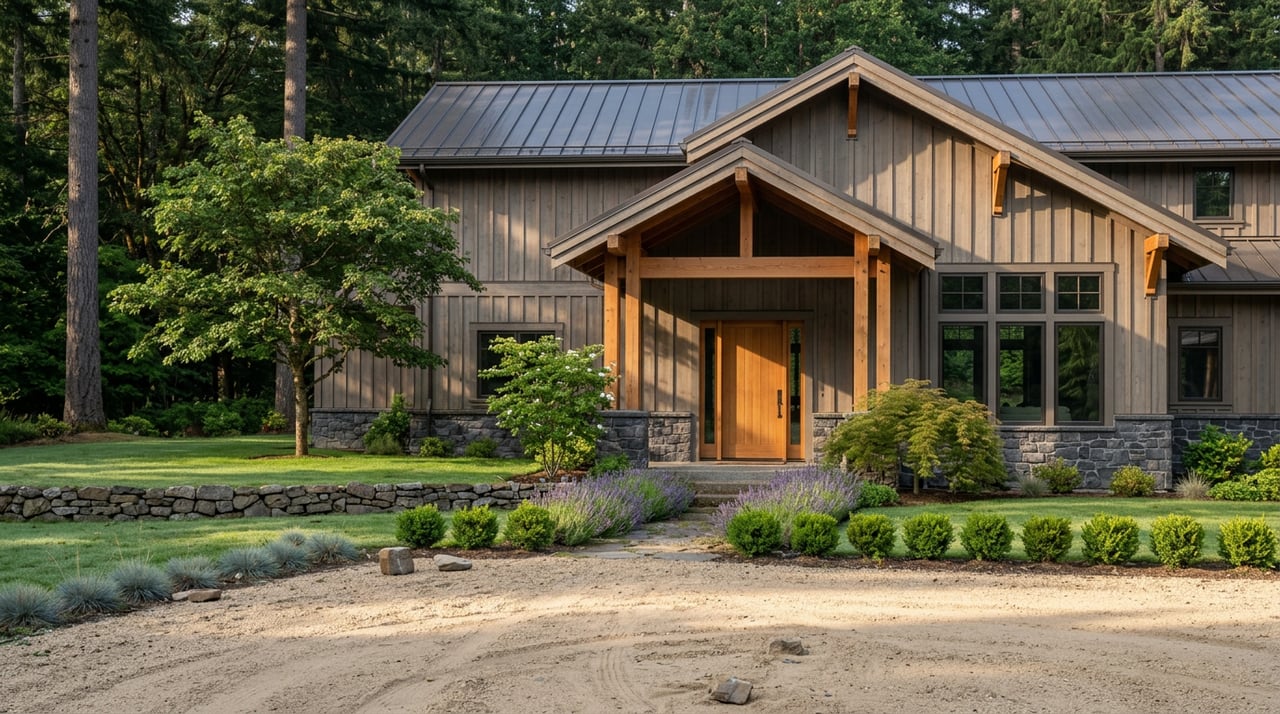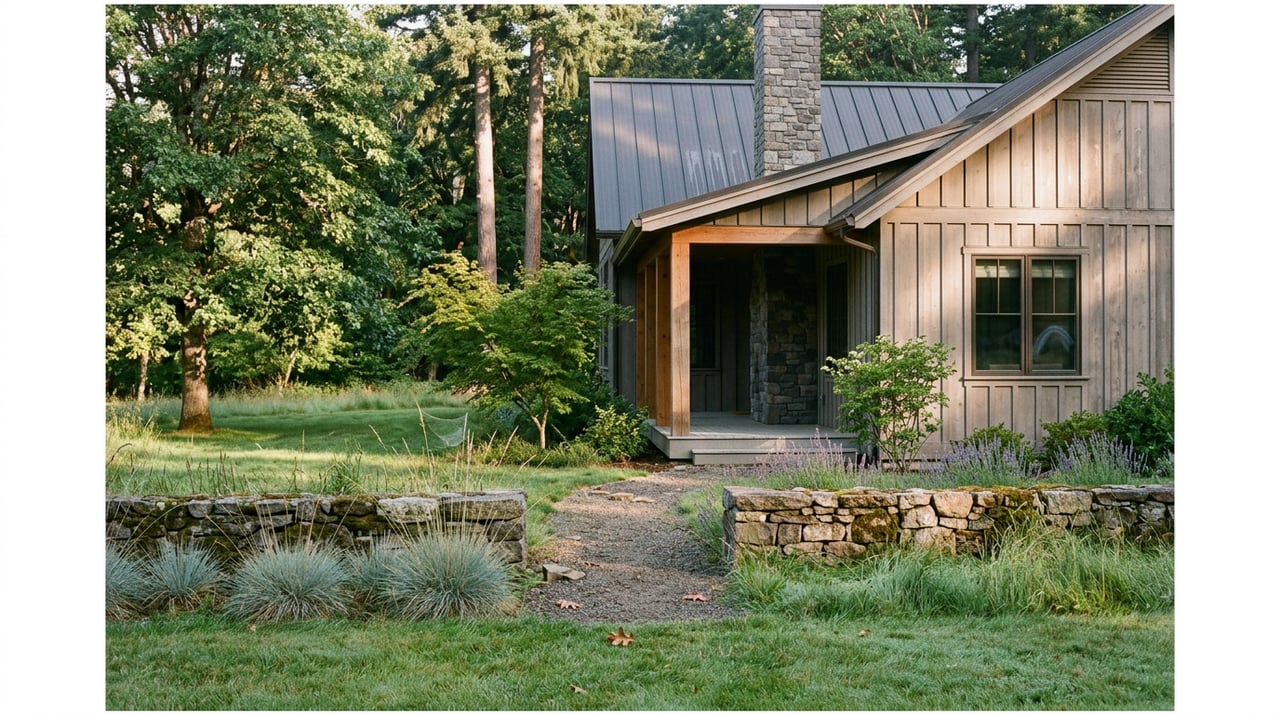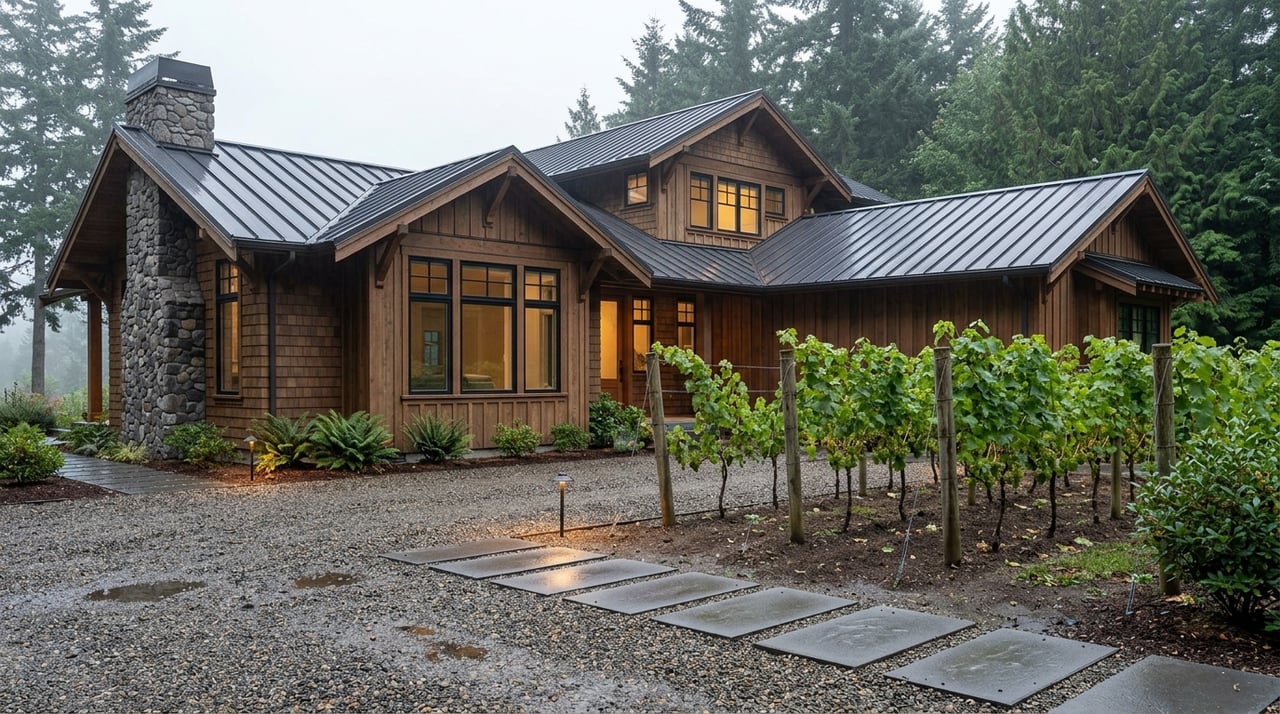
Buying in Oregon wine country can feel romantic at first glance, but a vineyard or estate purchase near Newberg and Yamhill is often more complex than a standard acreage search. You may be chasing a lifestyle, a long-term land investment, or a future wine venture, and each path comes with different rules, risks, and opportunities. The good news is that with the right planning, you can move forward with more clarity and fewer surprises. Let’s dive in.
Why Wine Country Purchases Are Different
In the 97132 area and across Yamhill County, not every beautiful parcel works the same way. A property may sit near well-known wine regions like Chehalem Mountains, Dundee Hills, McMinnville, Ribbon Ridge, or Yamhill-Carlton, but AVA status is mainly about grape-growing origin and labeling. It does not override county land-use rules.
That matters because what you can build, operate, or expand on a parcel is controlled by local planning rules, not by the marketing appeal of a wine-country address. If you are considering a purchase with vines, views, acreage, or future business potential, the legal use of the land should be confirmed early.
Site conditions also vary more than many buyers expect. In this part of Oregon, neighboring parcels can differ in slope, drainage, elevation, wind exposure, and soil structure. Those differences can shape whether a property is best suited for a private estate, a small vineyard, or a more commercial operation.
Start With Your Real Goal
Before you evaluate land, define how you want to use it. This single step can help you avoid looking at the wrong inventory or making assumptions based on appearance alone. In wine country, intended use often drives the entire transaction.
Residential Estate Purchase
If you want a primary or secondary home with acreage, views, and perhaps ornamental vines, your purchase may stay closer to a traditional residential transaction. This is often the simplest path if you do not plan to produce wine for sale, host tastings, or hold events.
That said, future plans matter. A property that works well as a private estate may face a very different review process if you later want to add commercial vineyard activity, tasting use, or event operations.
Hobby Or Estate Vineyard
Some buyers want a home plus a small vineyard component, but not a full winery business. In Yamhill County, farm use is defined as the current employment of land for the primary purpose of obtaining profit in money, and vineyards can qualify. A few vines for personal enjoyment are not automatically the same as a parcel that qualifies for farm-use treatment.
This distinction is important for taxes and long-term planning. If a seller has farm-use special assessment in place, that status may transfer with ownership if acceptable farm activities continue. If the use changes, carrying costs may change too.
Commercial Vineyard, Winery, Or Event Property
If your vision includes on-site sales, tastings, retail activity, or special events, you are no longer just buying real estate. You are buying into a land-use, licensing, and operational framework that may involve county review, local-government recommendations, and OLCC winery licensing.
Yamhill County has separate processes tied to winery tasting rooms and winery special events. County review can include parking, access, traffic management, sanitation, noise, hours, attendance, and details about winery operations. In other words, a commercial wine-country estate should be evaluated as both a property purchase and a business-use purchase.
Verify Whether The Parcel Is In An AVA
If AVA location matters to you, confirm it at the parcel level. Do not rely only on a mailing address, listing description, or nearby town name.
TTB defines AVAs and provides a parcel-level map tool to confirm whether a specific property sits inside a recognized wine-growing region. This is especially useful if branding, grape origin, or long-term vineyard value is part of your thinking.
It is also helpful to remember what AVA status does and does not mean. It may carry importance for viticulture and labeling, but it does not answer zoning, building, licensing, or land-use questions.
Review The Land Before The House
In wine country, the land often tells the real story. A beautiful residence may draw you in, but the site itself usually determines what the property can support over time.
Vineyard Suitability Is Site Specific
If you care about vine potential, focus on practical growing factors rather than acreage alone. Soil series, drainage, slope, elevation, water availability, and wind exposure all matter.
For example, Chehalem Mountains includes higher elevations, mixed volcanic and marine sedimentary soils, Laurelwood soils, and shelter from winds moving south through the Columbia Gorge. Yamhill-Carlton is known for low ridges, quick-draining marine sediments, and a warmer mesoclimate. Those distinctions help explain why two properties that look similar online can perform very differently in practice.
Access And Easements Matter
Before you move too far into due diligence, verify legal access and recorded easements. Yamhill County requires legal, safe, and passable access, either directly from a public road or by a private easement at least 30 feet wide for its full length in EFU situations.
You should also review recorded documents through the Yamhill County Clerk. Deeds, easements, restrictions, and legal descriptions can affect how you use the property and how smoothly your purchase closes.
Check Zoning And Permitted Uses Early
Zoning should be one of your first stops, not a last-minute box to check. Oregon’s land-use framework requires counties to identify and protect agricultural land, and Yamhill County has separate pathways for commercial agriculture, agritourism events, winery special events, and winery tasting room reviews.
For buyers, that means the land’s legal use profile is central to value. A parcel that supports a private estate may not support the same operational plan as a parcel approved for broader agricultural or winery-related use.
This is one reason a wine-country purchase benefits from a more strategic approach than a typical house hunt. You want the property’s zoning and approvals to match your goals from day one.
Match The Water Plan To The Property Plan
Water is a major due diligence item for vineyard and estate purchases in Yamhill County. If you are thinking about irrigation, frost protection, or future planting, you need to understand both water rights and well history.
The Oregon Water Resources Department maintains public water-right records in WRIS and public well-log records through its well report system. Oregon also notes that using surface water or groundwater generally requires a permit unless the use is exempt. For many buyers, this is one of the most important technical reviews in the transaction.
A property may be visually impressive and still have limits that affect future agricultural use. That is why your water plan should be reviewed alongside your land plan, not after closing.
Confirm Septic Capacity Before You Commit
Septic is another item that deserves early attention, especially on rural or semi-rural properties. Yamhill County describes septic approval as a two-step process that begins with a soil suitability or site evaluation and then moves to permit and installation.
The county also notes that processing can take up to six weeks. In addition, DEQ’s onsite wastewater rules were updated effective January 1, 2026. If you are evaluating an estate purchase with expansion potential, guest accommodations, or other future improvements, septic capacity should be part of the conversation early.
Understand Farm Deferral And Tax Exposure
Do not assume property taxes based only on current marketing materials or a seller’s verbal explanation. Yamhill County states that special assessment can reduce taxes for land in farm or forest production, but extra tax liabilities can apply if the property no longer qualifies.
For buyers, this can affect true carrying costs in a meaningful way. If a parcel is in farm-use special assessment, ask whether that status can continue after transfer and what activities are required to maintain it. This is especially important if you plan to keep the property mostly residential.
Plan For Wildfire Readiness And Power Outages
Wine-country ownership also means planning for seasonal conditions. Yamhill County publishes wildfire information, uses a three-level evacuation system, and notes that summer may include proactive Public Safety Power Shutoffs.
Oregon guidance also emphasizes defensible space, and certain new homes and accessory structures in locally adopted wildfire hazard zones can face home-hardening and defensible-space requirements. If you are buying an estate property, backup power, road access, and emergency planning should be part of your due diligence checklist.
Know What Living Near Agriculture Means
Many buyers are drawn to vineyard landscapes for privacy, views, and a slower pace. At the same time, active farm areas come with real-world impacts that are normal parts of rural ownership.
Oregon’s right-to-farm law protects growers from nuisance claims tied to customary farm impacts such as noise, smells, and dust. If you want a refined estate lifestyle in an agricultural setting, it helps to go in with clear expectations about how working land functions around you.
Build The Right Advisory Team
A successful wine-country purchase usually involves more than a home inspector and lender. Depending on the property and your goals, you may want guidance from a land-use attorney, tax advisor, water or well consultant, septic specialist, insurance broker, and, for commercial wine plans, counsel familiar with OLCC and TTB requirements.
Just as important, you need a real estate team that understands the difference between a simple acreage purchase and a layered estate or vineyard acquisition. In a market like Yamhill County, local process knowledge can be just as valuable as market knowledge.
If you are considering a vineyard or estate purchase in wine country, Kendall Bergstrom Properties offers the discreet, concierge-level guidance needed to evaluate lifestyle properties with care, strategy, and local insight.
FAQs
What makes a Yamhill County parcel good for vines?
- The most reliable answer is site specific. Soil, drainage, slope, elevation, wind exposure, and water availability usually matter more than lot size alone.
Can you buy acreage near Newberg and keep it mostly residential?
- Often, yes, but the answer depends on zoning, existing use, and whether the property is currently treated as farm-use land or special-assessed farmland.
Do you need approvals for tastings or winery events in Yamhill County?
- If your plan includes tastings, retail sales, or public events, county land-use review, local-government recommendations, and OLCC licensing may all come into play.
How do you confirm whether a property is inside an AVA?
- TTB provides a parcel-level AVA mapping tool that is the most reliable way to verify whether a specific property falls within a recognized wine-growing region.
Why should buyers check water rights before buying a vineyard property?
- Water availability can affect irrigation, frost protection, and future expansion, and Oregon keeps separate public records for water rights and well logs.
What should buyers ask about septic on a wine-country estate?
- Ask whether the property has completed site evaluation and permitting history, what the current system supports, and whether future expansion could require additional review.
Can farm-use tax treatment transfer to a new owner in Yamhill County?
- Yamhill County says farm-use special assessment can transfer with ownership if acceptable farm activities continue.
What local offices matter most during a Yamhill County estate purchase?
- Key offices often include Yamhill County Planning & Development, Yamhill County Sanitation, Yamhill County Assessor & Tax, Yamhill County Clerk, and the Oregon Water Resources Department.