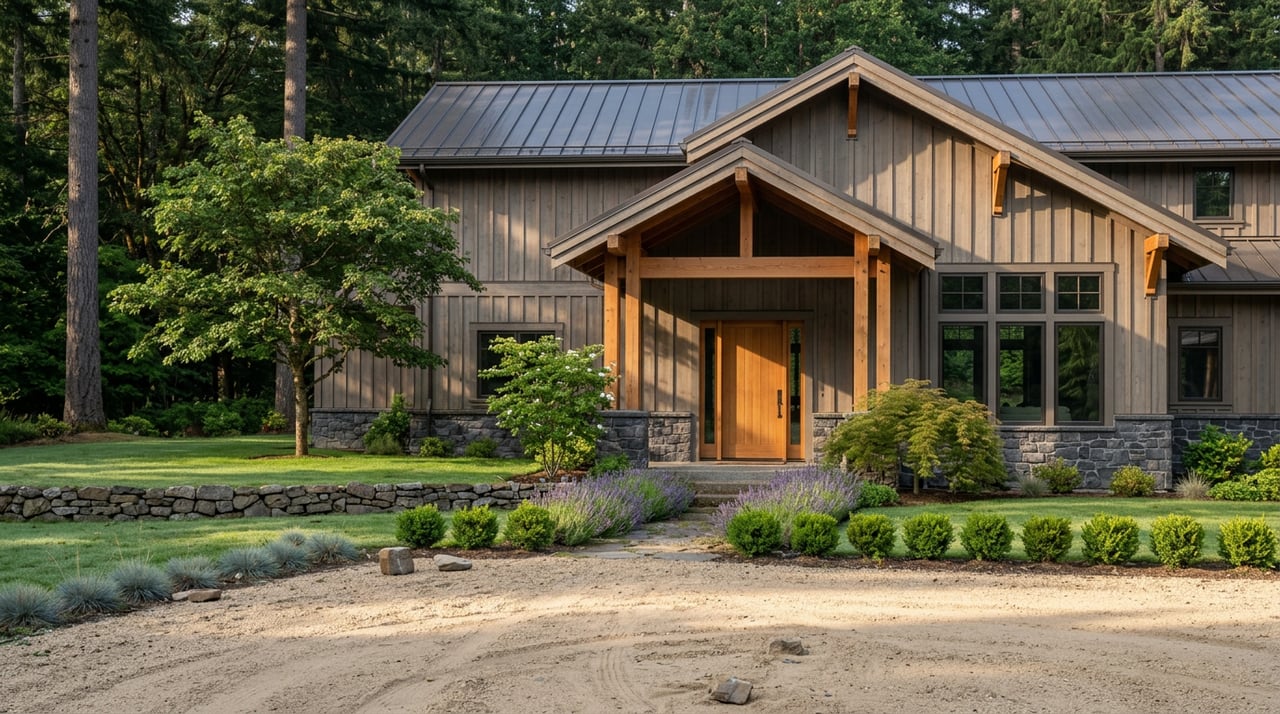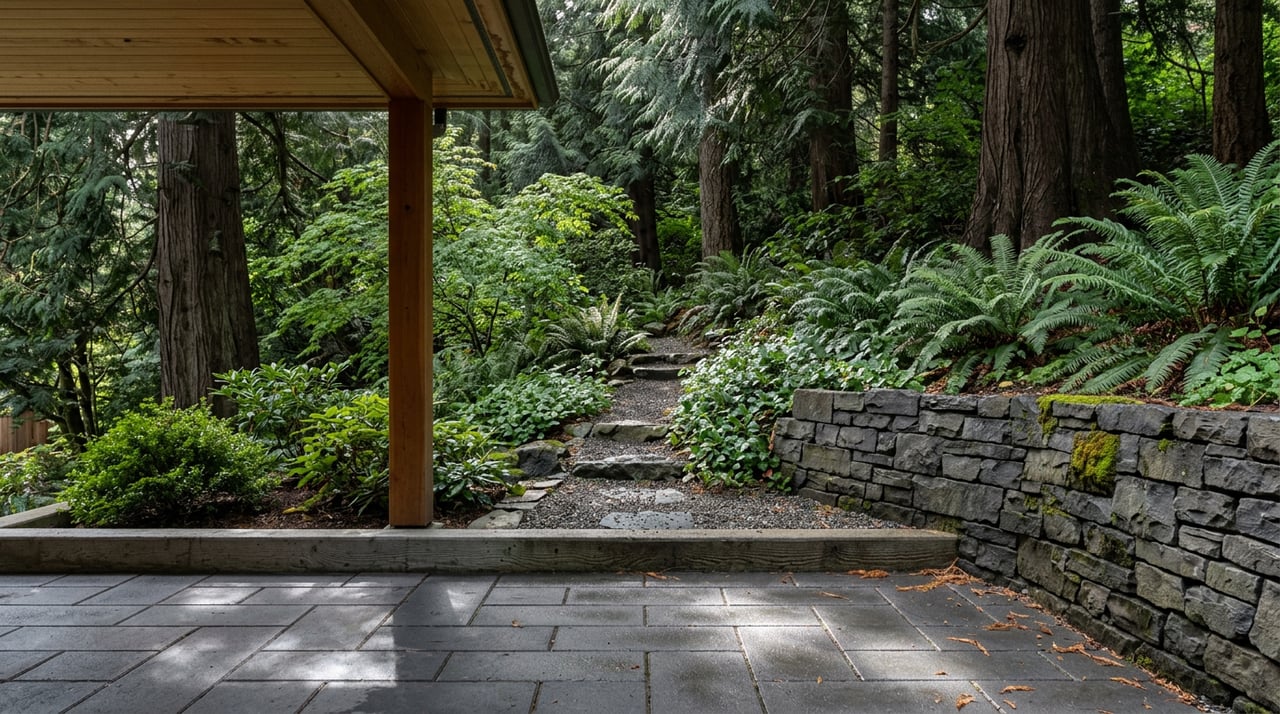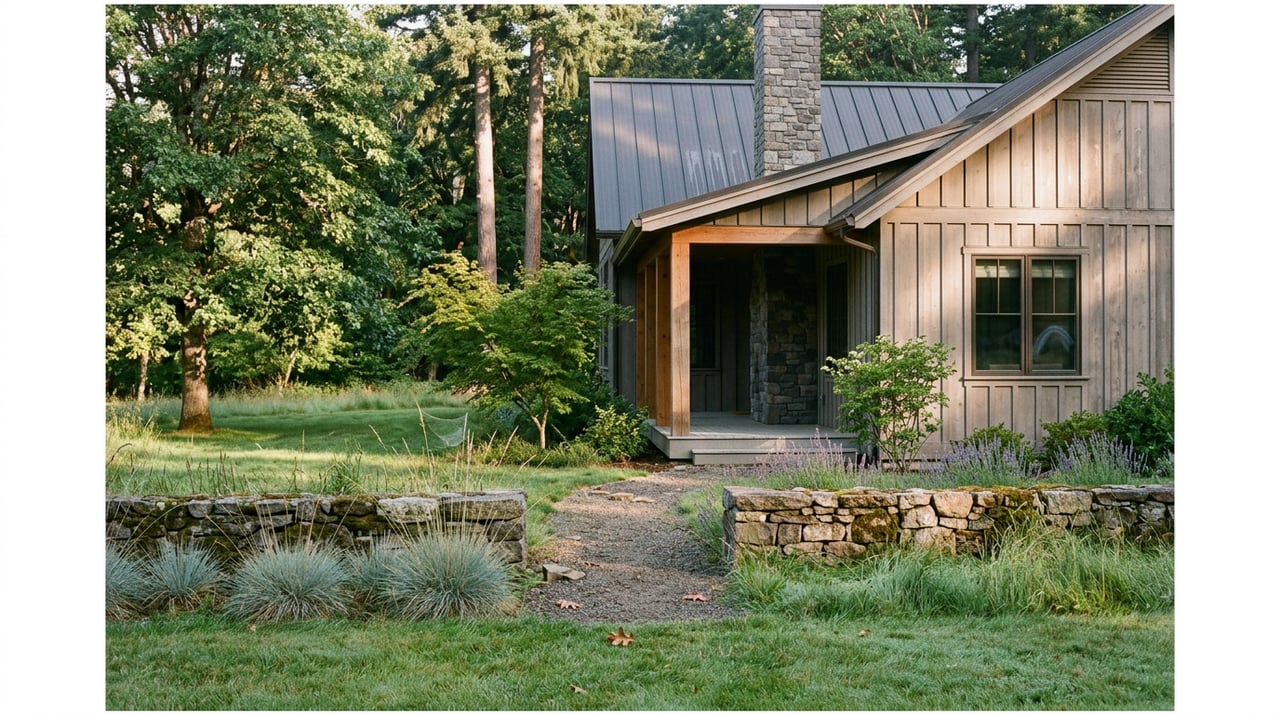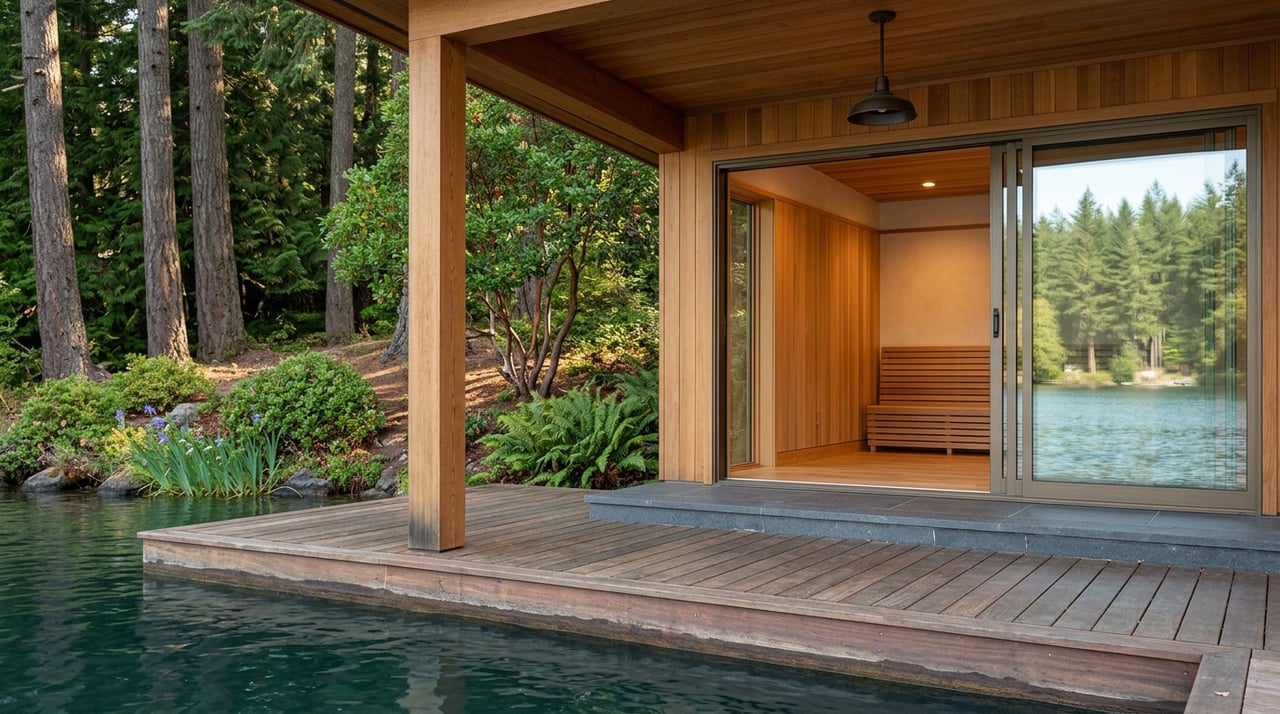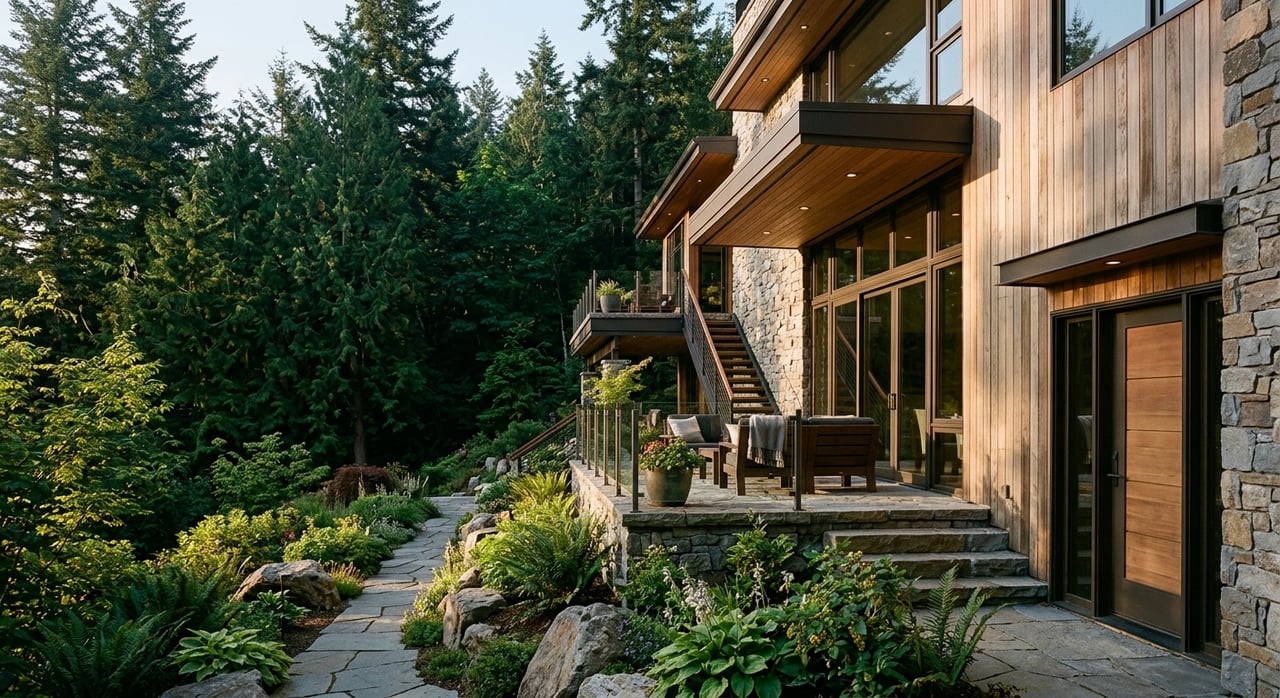
If you price a luxury home in Portland’s West Hills like any other Portland property, you can miss the mark by a wide margin. In Southwest Hills, buyers are not just comparing square footage. They are weighing views, privacy, access, lot usability, architecture, and how confidently the home fits the land.
If you are preparing to sell, the right pricing strategy can protect your first impression and strengthen your negotiating position. Below, you will see what makes West Hills pricing different, which property details matter most, and how a measured launch can help you compete from day one. Let’s dive in.
Why West Hills pricing is unique
Southwest Hills sits in the Tualatin Mountains, where elevation, winding streets, and hillside construction shape the market in ways you do not see in flatter neighborhoods. Council Crest Park reaches 1,073 feet, and the area is known for broad outlooks and homes designed around the terrain. That means value often comes from the relationship between the house and the site, not just from the home itself.
Portland land-use materials describe the West Hills as an area shaped by steep topography, narrow curving streets, and homes built to fit hillside lots. For sellers, that translates into a pricing process that must account for access, privacy, and how usable the property feels in real life. Two homes with similar square footage can perform very differently if one has better driveway access, more practical outdoor space, or a more durable view.
The neighborhood also includes homes from many architectural eras. Portland’s historic-resources framework notes that parts of the area reflect the city’s architectural history, which means original character, architect pedigree, and the quality of renovation can meaningfully affect value. In a luxury segment like this, buyers often pay for distinction, not sameness.
Focus on the value drivers buyers notice
Views matter, but so does view durability
A view can carry a premium in Southwest Hills, but not all views should be priced the same. Portland’s scenic-resource zoning protects significant views in mapped areas through height limits and related standards. In simple terms, the strongest premium usually comes from a view that is both attractive and likely to remain protected over time.
That is why your pricing strategy should look beyond whether you can see a mountain or skyline today. It should also consider the quality of the view corridor, how direct the sightline is, and whether surrounding conditions make that outlook feel lasting. Buyers in this segment tend to notice the difference.
Lot usability often beats raw lot size
The Southwest Hills neighborhood profile reports a 58% tree canopy, which helps explain the wooded, private feel that draws many buyers to the area. It also reports a median home value of $827,872, underscoring the area’s established value base. Still, large lots do not always translate into large premiums if the land is steep or difficult to use.
In West Hills pricing, practical details matter. Flat outdoor space, driveway geometry, garage access, drainage, and functional terraces or patios can all influence value more than lot size alone. Tree and view regulations may also affect what can be changed later, so regulated features should be reviewed as carefully as visible ones.
Architecture and condition shape buyer reaction
Southwest Hills is not a uniform tract market. Portland planning materials describe a housing stock that developed gradually over time, creating wide architectural variety. That variety is part of the appeal, but it also means buyers compare homes based on character and execution, not just price per square foot.
A preserved historic residence, a thoughtful Northwest contemporary remodel, and a dated home with generic updates may all sit near one another, yet command very different pricing power. Condition matters, but so does coherence. Buyers often respond more strongly to a home with a clear architectural identity and well-matched improvements than to one with expensive but inconsistent updates.
Read the market narrowly, not broadly
Broad Portland averages are not enough for a luxury pricing decision in Southwest Hills. Portland Monthly’s 2025 neighborhood report showed a 2024 median sale price of $1,000,000, an average sale price of $1,145,105, and 61 average days on market in Southwest Hills. More current data for the three months ending May 2026 showed a median sale price of $997,165, 41 days on market, a 98.7% sale-to-list ratio, 30.7% of sales above list, and price drops on 38.3% of sales.
That combination tells an important story. Serious buyers are active, but pricing discipline still matters. Homes can attract strong offers when they launch well, yet a meaningful share of listings still require price reductions.
Recent Southwest Hills sales also show how varied outcomes can be. One 3,851-square-foot home closed at $1,000,827 after 136 days and 13% under list. Another 2,743-square-foot home closed at $1,050,600 after 112 days and 2% under list. A 3,952-square-foot home sold at $775,000 after 267 days and 9% under list.
The takeaway is clear: size alone does not determine price. Fit, condition, lot characteristics, and especially the initial list price can strongly affect time on market and final outcome.
Build a stronger comparable sales strategy
Luxury pricing in Southwest Hills often requires a tighter, more thoughtful comp set than sellers expect. When the home is especially custom, historically significant, or unusual for the area, there may not be many recent sales that match it closely. In those cases, valuation logic becomes more important than simply pulling the nearest few sales.
Fannie Mae guidance notes that when truly comparable sales are limited because of property type or low transaction volume, appraisers may need to use older or more distant sales if they explain why those are the best available and make appropriate time adjustments. It also states that adjustments should reflect actual market reaction, not a fixed rule of thumb. That is especially relevant in a neighborhood where two hillside homes can live very differently.
A sound comp strategy in Southwest Hills typically asks questions like these:
- How similar is the lot in slope, privacy, and outdoor usability?
- Is the view comparable in breadth, orientation, and permanence?
- Does the home have similar architectural quality and renovation depth?
- Is vehicle access similarly easy or similarly constrained?
- Would the same buyer realistically consider both properties?
If the answer to several of those questions is no, the comp may need a meaningful adjustment or may not belong in the set at all.
Verify property facts before setting the price
In a neighborhood shaped by terrain, zoning, and trees, small record issues can turn into large pricing mistakes. The research report points to several common errors, including using stale or geographically mismatched comps, overvaluing square footage, and skipping verification of parcel data, tax history, recorded deeds, zoning, and map layers.
Multnomah County’s property tools allow users to review ownership, land and building data, values, tax amounts, recorded documents, surveys, assessment maps, zoning, and district layers. Portland Maps adds information such as elevation, parks, zoning, water and sewer, and natural-hazard details. Before a luxury list price is finalized, those records should be checked carefully so the pricing strategy reflects the actual property, not assumptions.
Use presentation to support price
In the luxury segment, pricing and presentation work together. If your home enters the market at a premium price, buyers expect a premium launch. That includes staging, photography, and visual storytelling that help them understand how the home lives.
According to the 2025 staging report cited in the research, 83% of buyers’ agents said staging made it easier for buyers to visualize the property as a future home. The same report found that 29% of agents said staging led to a 1% to 10% increase in the dollar value offered. It also reported that photos mattered to 73% of buyers’ agents, with videos at 48% and virtual tours at 43%.
That matters even more in West Hills luxury marketing because many buyers begin online, and some may be relocating or viewing homes from outside the region. For these buyers, the first showing often happens on a screen. Strong visuals do not just make a home look better. They help justify the price by clearly communicating light, scale, layout, views, and lifestyle.
Avoid the pricing mistakes that slow momentum
The first price is often your best chance to shape market perception. In a selective luxury market, buyers tend to notice when a home starts too high and lingers. That can weaken urgency and invite discount expectations.
Some of the most common pricing missteps in Southwest Hills include:
- Using citywide averages instead of Southwest Hills-specific comps
- Overweighting square footage while underweighting site and view quality
- Treating every view as equal without reviewing scenic-resource factors
- Relying on stale or poorly matched sales without clear adjustments
- Finalizing price before checking records, zoning, and map layers
The current market supports this caution. With a 98.7% sale-to-list ratio but price drops on 38.3% of sales in the three months ending May 2026, the message is simple. Buyers will pay for well-positioned homes, but they are not rewarding guesswork.
What a defensible pricing strategy looks like
For a luxury home in Portland’s West Hills, the most reliable pricing approach is narrow, evidence-based, and presentation-ready. It starts with verifying the site and property records. Then it isolates the right comparable sales, adjusts for views, access, lot usability, and architecture, and prepares the home so it can compete immediately.
That kind of strategy is especially important for executive sellers, relocating owners, and anyone managing a high-value property where discretion and timing matter. A thoughtful list price does more than attract attention. It positions your home to earn the strongest possible response from the right buyers.
If you are considering a sale in Southwest Hills, working with a team that understands hillside valuation, luxury buyer expectations, and high-touch launch strategy can make the process much clearer. For tailored guidance and a concierge-level approach to pricing and marketing, connect with Kendall Bergstrom Properties.
FAQs
How should you price a luxury home in Portland’s Southwest Hills?
- The strongest approach is to use Southwest Hills-specific comparables, verify property records, and adjust for views, access, lot usability, architecture, and condition rather than relying mostly on square footage.
Why do views affect luxury home pricing in Southwest Hills?
- Views can add significant value, but buyers also care about how broad, direct, and durable the outlook is, especially in areas affected by scenic-resource protections.
What market numbers matter for Southwest Hills home pricing?
- Recent data in the research report show a median sale price of $997,165 for the three months ending May 2026, 41 days on market, a 98.7% sale-to-list ratio, 30.7% of sales above list, and price drops on 38.3% of sales.
Why can two similar-sized Southwest Hills homes sell for very different prices?
- In this neighborhood, buyers often react more strongly to differences in site quality, privacy, usability, access, views, architecture, and renovation quality than to size alone.
Does staging really help a luxury listing in Southwest Hills?
- Yes. The cited 2025 staging research found that staging helped buyers visualize the home, and many agents reported it increased the dollar value offered, while photos, video, and virtual tours also played a major role in buyer engagement.