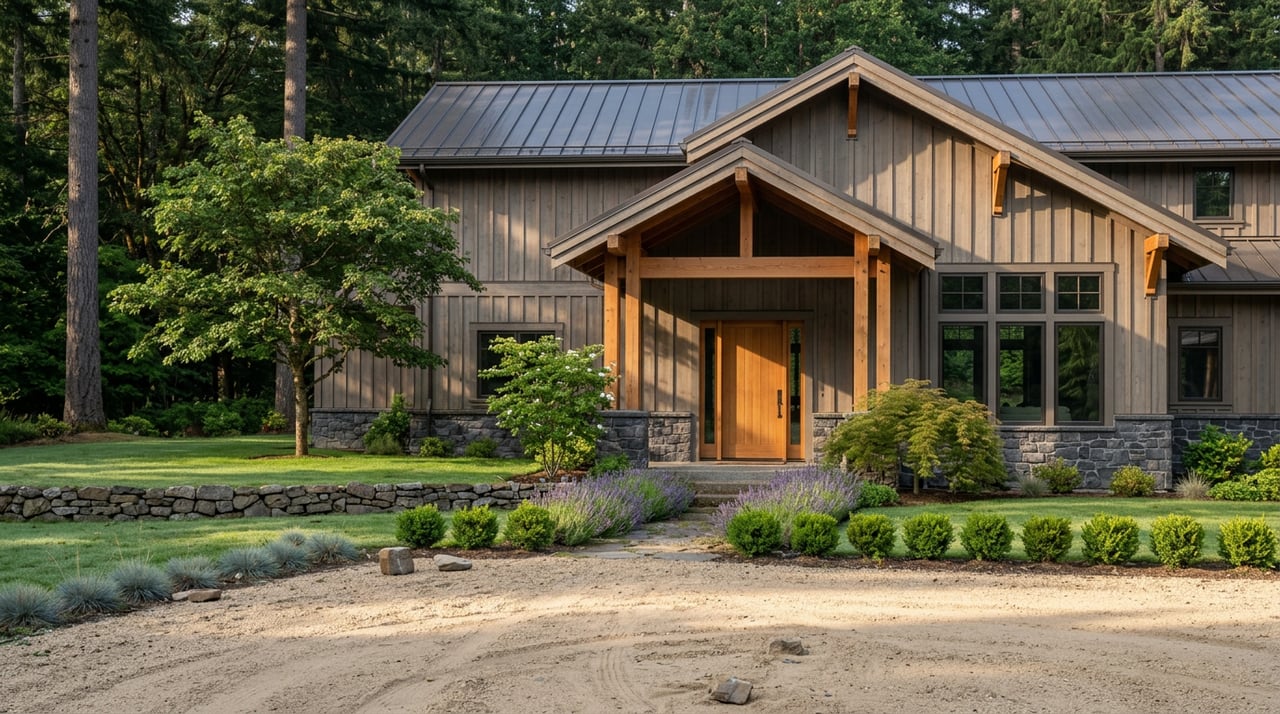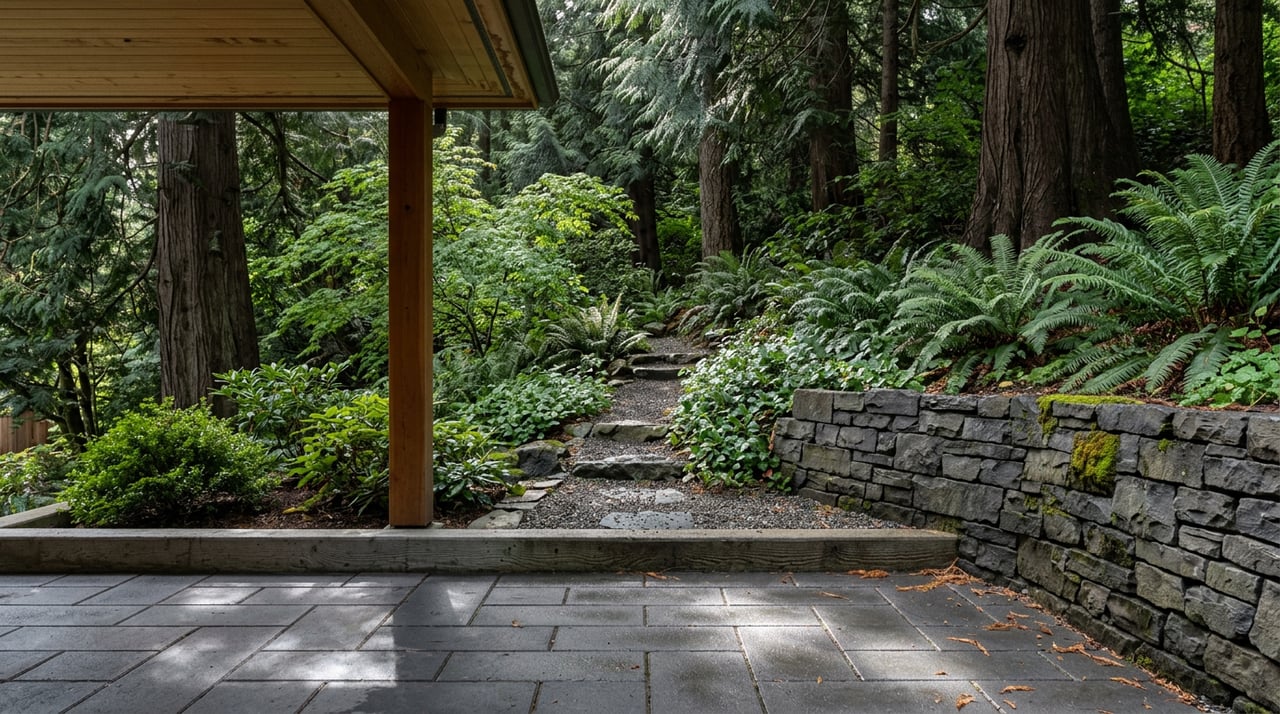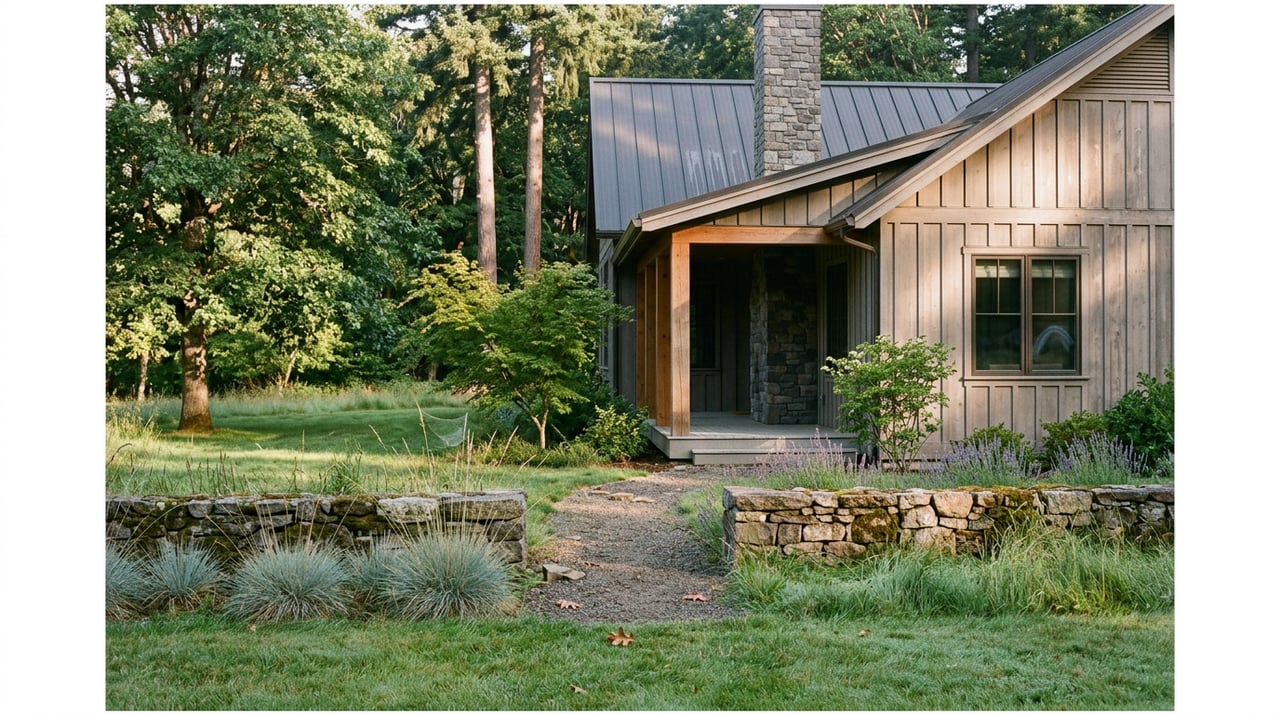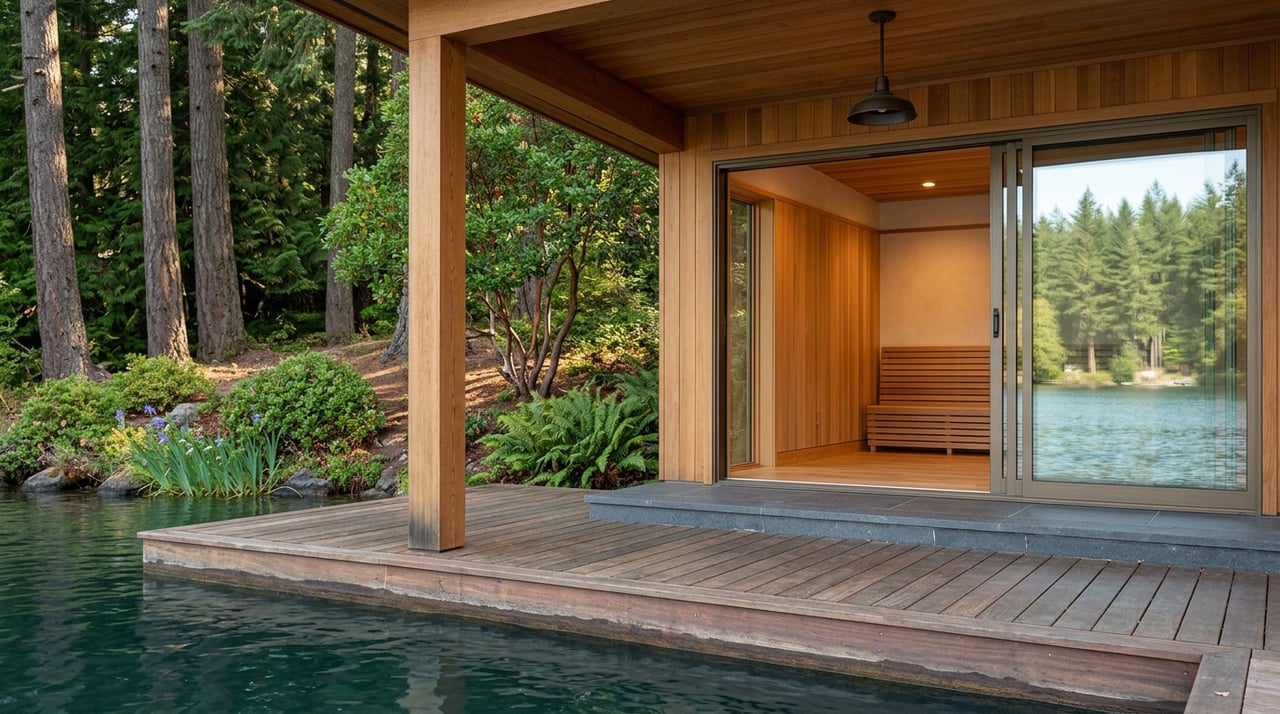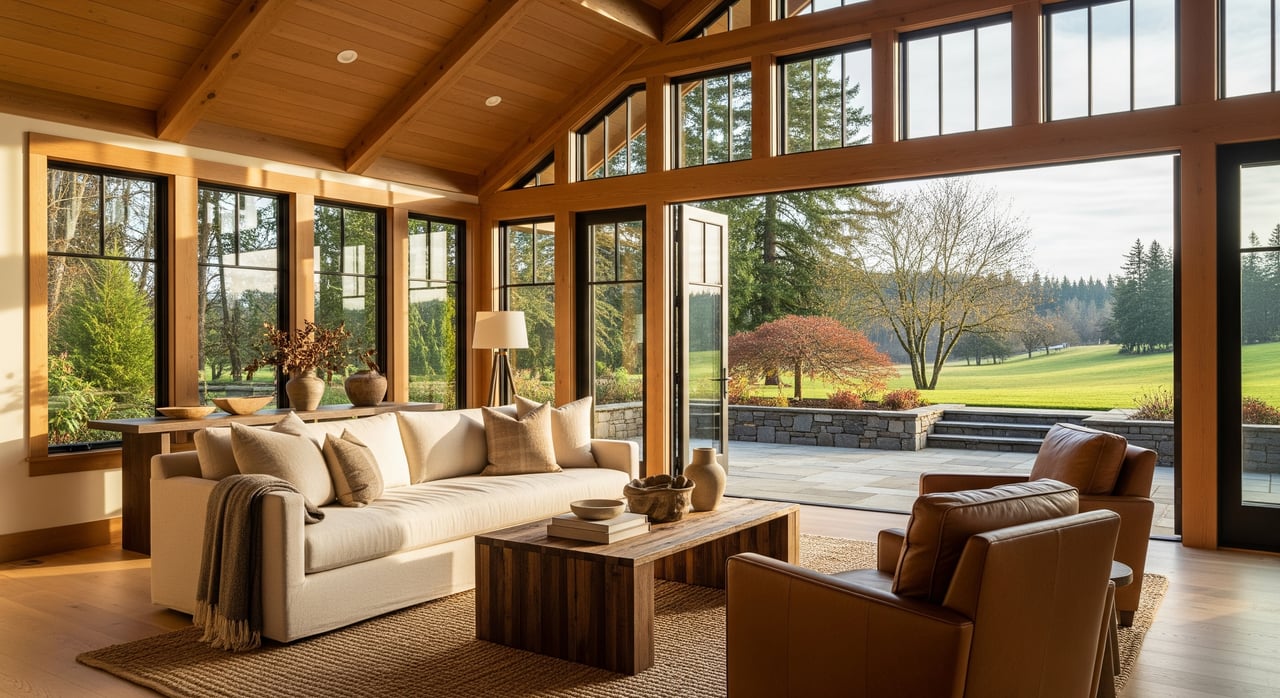
You only get one first impression with an acreage estate. In 97062, those first 10 to 20 seconds as a buyer turns into the drive can make or break momentum. You want your land to read as usable, your outbuildings to look cared for, and your lifestyle to shine through. In this guide, you’ll learn a simple, location-specific plan for editing your grounds, sequencing vendors, and using aerial media the right way so your property stands out. Let’s dive in.
Why Tualatin estates are unique
Tualatin’s country parcels often include barns, arenas, fenced pastures, ponds, and long private drives. These are valuable features, yet they can create staging challenges if they appear cluttered or poorly maintained. Many properties also sit within Washington County’s rural planning areas or on the edge of the City of Tualatin, which affects permits for exterior improvements and sign placement. Confirm rules early with the City of Tualatin and Washington County Planning and Development Services.
Local climate shapes your timing. Winters are mild and wet. Summers are warm and dry. The sweet spot for exterior work and photos is late spring through early fall, when you can avoid saturated lawns and muddy drives. For local patterns and timing, check the National Weather Service Portland guidance.
You should also be mindful of nearby refuge lands and riparian zones. Areas such as the Tualatin River National Wildlife Refuge have strict rules around disturbance and drone activity. Before scheduling aerials, review refuge rules from the U.S. Fish and Wildlife Service.
A 2 to 6 week staging plan
Use this practical sequence to reduce rework and keep the story focused on privacy, functionality, and lifestyle.
Arrival and first 20 seconds
- Repair ruts and grade gravel on the driveway.
- Freshen the gate with paint and working hardware.
- Place professional signage that follows local sign rules.
- Edge along the drive, remove debris, and test entry lighting for evening showings.
Grounds, paddocks, and pastures
- Mow defined paths to show usable acreage without mowing the entire field.
- Remove manure piles and relocate equipment from key sightlines.
- Repair or tighten the fence lines a camera will see first, then address others as time allows.
- Stage paddocks to look ready, tidy, and safe. Hide feed bags, visible medications, and loose hoses.
Outbuildings and barns
Choose how to present each structure.
- Show-ready approach. Deep clean, organize tack and storage in labeled bins, sweep aisles, and fix easy hardware. Confirm lighting works.
- Edited-back approach. If a building is heavily used or not show-ready, close doors for photos and limit access at showings. Be transparent about condition.
Quick fixes matter. Paint doors, replace broken latches, clear access, and consult a contractor for leaks or safety hazards. If budget allows, complete key repairs before going live.
Water features and wooded areas
- Skim ponds and reduce visible algae before the shoot. If that is not possible, choose angles that favor reflections and the surrounding landscape.
- Trim invasive growth that blocks views or trails. Mark paths for showings and add firm footing at trail entries.
Interiors that reflect estate living
- Highlight flow from house to land. Stage mudrooms and entries with attractive, durable storage.
- Clarify room purpose. Show an office, hobby space, or guest suite that supports an acreage lifestyle.
- Right-size furniture. Keep large rooms open and inviting. Keep smaller studies comfortable and uncluttered.
Safe, easy showings
- Create clear walking routes to the barn, arena, and pond. Add simple directional signs on showing days.
- Lock up equipment, chemicals, and medications. Confirm that your insurance covers showings on a working property.
For yard and pasture care techniques, the OSU Extension Service offers useful maintenance guidance.
Vendor sequencing that avoids rework
A little order goes a long way. Here is a proven sequence that you can scale to your timeline and budget.
- Assessment and permits. Walk the property with your agent or stager, then confirm any needed permits with the City of Tualatin and Washington County.
- Safety fixes and big trades. Address roofing, structural hazards, driveway grading, major fence repair, and septic servicing if needed.
- Tree work. Prune for safety and view corridors. Pull permits for significant removals before crews start.
- Irrigation and drainage. Solve puddling and test irrigation zones so lawns present well on shoot day. Local utilities sometimes post watering restrictions in dry months, so confirm your schedule.
- Landscape cleanup. Remove debris, groom pastures, define paths, and add mulch or gravel. Use seasonal color in pots for fast impact.
- Outbuilding refresh. Deep clean barns and organize tack or, if needed, plan a closed-door approach.
- Interior staging and cleaning. Tackle paint touch-ups, minor repairs, and a professional clean.
- Photo and video. Within 48 to 72 hours of finishing the above, schedule your photographer and drone operator on the same day for consistent light.
- Go live. List after media delivery and a final walk-through.
Allow buffer time for weather in the wet season. If you remove trees or do heavy planting, give disturbed areas a few days to settle before photography.
Drone and media strategy
Aerials can elevate an acreage listing when you follow the rules and plan the story.
Legal basics you should know
- Commercial drone operators must follow FAA small UAS rules, including Part 107 certification and typical max altitude of 400 feet above ground level. Learn more from the FAA UAS overview.
- Wildlife refuge lands often prohibit drones. The Tualatin River National Wildlife Refuge disallows UAS operations and bans launching and landing on refuge land. Review the USFWS refuge rules.
- Respect privacy. Avoid filming neighboring private spaces without permission.
Angles that sell the lifestyle
- Wide property overview that shows usable acreage and proximity to green space.
- Approach and drive sequence that shows ease of access.
- House to outbuilding relationship, so buyers see workflow and scale.
- Amenity features such as arenas, ponds, pastures, and trails.
Schedule for the best results
- Book drone and ground photos the same day to match lighting and conditions.
- Choose a calm day. Use golden hour for warmth on exteriors. Coordinate with your photographer for the best sun angle on aerials.
- Consider a 60 to 90 second aerial highlight, boundary overlays, and 360 interior tours that show the flow from entry to land.
Select the right vendors
- Hire a Part 107 certified operator and confirm insurance.
- Clarify deliverables. Ask for high-resolution stills, 4K video, nadir and oblique angles, and usage rights for MLS and advertising.
Seasonal timing and weather plays
In the Portland metro climate, peak curb appeal runs from late spring to early fall, which lines up with drier ground and longer light. Winter listings can still win. Focus on interior mood, clean entries, lighting for evening showings, and evergreen color outside. Plan quick exterior shoots on clear days and prepare for tighter windows. For typical weather patterns, check the National Weather Service Portland.
Budget focus and ROI
Spend where buyers see function and care. Buyers of acreage often pay premiums for obvious usability and reduced risk. That means:
- Driveway and gate repair so arrival feels easy and secure.
- Pasture grooming and tidy paddocks that read as ready to use.
- Bright, organized barns that feel safe and functional.
- Professional aerials that communicate scale and layout.
Keep costs local. Acreage needs vary widely by parcel size and condition, so gather quotes from rural-savvy contractors. For staging best practices and plan structure, you can also browse the Real Estate Staging Association.
Photo-day checklist
Use this quick list 48 hours before media day.
- Charge and test all outdoor and barn lighting.
- Remove hoses, feed bags, tools, and manure piles from view.
- Tidy pathways to barns, arenas, and ponds. Place simple signs for access.
- Clean windows and sweep porch and barn aisles.
- Park vehicles and equipment out of sight.
- Confirm drone and photo access times, plus a weather check.
Risk, permits, and disclosures
A little planning protects your sale.
- Permits. Structural changes, significant tree work, new fencing or gates, and drive reconstructions may require permits. Confirm with the City of Tualatin and Washington County before you begin.
- Septic. Many acreage homes use onsite wastewater systems. Washington County Environmental Health sets inspection, pumping, and disclosure rules that can shape access and staging. Start early with Washington County Environmental Health resources.
- Water use. In dry months, local utilities may limit irrigation. Verify schedules before showings and shoots.
- Wildlife and drones. Follow refuge rules and FAA guidance, and avoid flights over neighbors without permission.
- Safety. Lock up equipment, chemicals, and medicines. Block access to unsafe areas during open houses and disclose conditions and easements.
Ready to maximize your sale?
If you want this done without guesswork, our team can lead the entire process. We will scope a tailored punch list, coordinate trusted rural-savvy vendors, and deliver premium photography and aerials that showcase your acreage lifestyle. To get started, contact the Kendall Bergstrom Group for a complimentary, white-glove consultation.
FAQs
How far in advance should Tualatin estate sellers start staging?
- Begin 2 to 6 weeks ahead, which allows time for safety fixes, landscaping, outbuilding edits, and coordinated photo and drone scheduling.
What permits might I need before staging my 97062 acreage?
- Structural changes, major tree work, new gates or fencing, and driveway reconstruction can trigger permits, so check with the City of Tualatin and Washington County first.
How do drone rules apply near the Tualatin River National Wildlife Refuge?
- The refuge prohibits UAS operations and launching or landing on refuge land, and your operator must also follow FAA Part 107 rules on altitude and commercial use.
When is the best season to list an acreage home in Tualatin?
- Late spring to early fall provides the best curb appeal and weather windows for outdoor showings and media, although winter listings can succeed with interior focus and timed exterior shots.
How should I prepare outbuildings so buyers respond well?
- Choose show-ready presentation with deep cleaning and organized storage, or close doors for photos and limit access if a building is not presentable, and disclose its condition.
Do I need to address my septic system before showings?
- If you have onsite wastewater, review Washington County Environmental Health rules for inspection, pumping, and disclosures so access and staging are not disrupted.