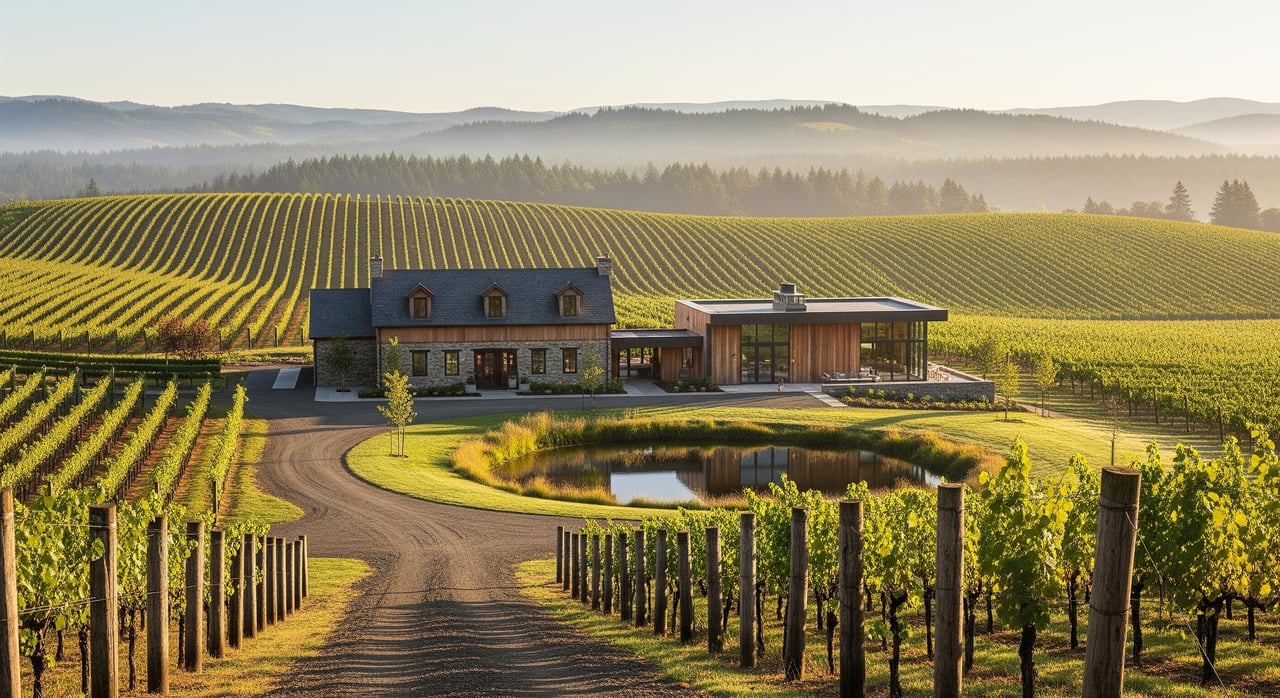
Dreaming about owning vines in Oregon Wine Country but not sure where to start? You are not alone. Buying vineyard or acreage property around Newberg takes a thoughtful plan, clear due diligence, and the right local team. In this guide, you will learn the site factors that matter most in 97132, a step-by-step review plan, and practical timelines so you can move forward with confidence. Let’s dive in.
Why Newberg for vineyards
AVA and climate
Newberg sits in the northern Willamette Valley within the broader Willamette Valley AVA, close to the Dundee Hills and near Yamhill-Carlton. The area’s cool, marine-influenced climate suits Pinot Noir, Pinot Gris, and Chardonnay. Short distances can bring big changes in fruit style, so micro-site selection is key.
Soils that shape wine
Classic local soils include volcanic Jory on higher slopes and Willakenzie or Laurel on lower benches. Jory is well drained and often linked with high-elevation Pinot Noir quality. Texture, depth, and drainage affect rootstock, spacing, and vigor, which ultimately influence wine character and farming costs.
Topography and frost
Aspect, slope, and elevation drive ripening and frost exposure. South and southeast slopes are often preferred for sun exposure. Watch for frost pockets on lower benches where cold air settles in spring. Even within a single property, small elevation or aspect shifts can change outcomes.
Water and irrigation
Annual rainfall supports vines, but most precipitation arrives outside the summer growing season. Many growers use drip irrigation for new plantings and sometimes dry-farm mature vines on deeper soils. Water availability and an irrigation plan are essential.
What to evaluate on site
- Aspect, slope percentage, and elevation to balance ripening and frost risk.
- Soil depth, drainage, rock content, and any restrictive layers that impact rooting.
- Existing vine age, variety, spacing, trellis condition, and irrigation layout.
- Access roads, turning radii for tractors, and winter accessibility.
- Electric service for pumps or future winery equipment.
- Frost protection equipment, if any, and general cold-air drainage patterns.
Due diligence checklist
Follow a clear sequence so you can confirm fundamentals before investing in studies or capital:
- Title and easements
- Review title for access and agricultural water line easements, rights-of-way, and any conservation easements that limit development or use.
- Zoning and land use
- Confirm Yamhill County zoning, typically Exclusive Farm Use for agricultural parcels. Check permitted uses, conditional use requirements, and building permit history.
- Water rights and wells
- Verify water rights with the Oregon Water Resources Department. Confirm type, priority date, authorized use, and flow. Review well logs, depth, and yield for irrigation reliability.
- Soils and topography
- Pull NRCS Web Soil Survey maps, then confirm with field soil pits or auger tests. Order lab analyses for texture, pH, organic matter, and drainage class.
- Infrastructure and utilities
- Inspect trellis, posts, wire, drip lines, pumps, frost machines, roads, power capacity, and outbuildings. Note repair or replacement needs.
- Environmental constraints
- Check for wetlands, floodplain, remnant habitat, or protected species that may limit new plantings. Plan for erosion control and stormwater management during development.
- Production and contracts
- Request yield histories, spray logs, soil and petiole tests, and canopy management notes. Review grape sale contracts or custom crush agreements for assignability and terms.
- Financial and taxes
- Confirm farm-use property tax status and eligibility rules with the county assessor and Oregon Department of Revenue. Review any loans or liens.
- Local experts
- Engage OSU Extension, a viticulturist, and a soils consultant for an on-site walk. Their insights can save time and money.
Water rights and wells
Oregon water use is regulated, and many uses require a water right or permit. Recorded surface rights are valuable, especially in drought years, and ownership and priority date matter. Well records can show typical depths and yields in Yamhill County, but test performance on-site. Plan for power to pumps and understand that restrictions can occur in dry years.
Infrastructure and compliance
- Field systems: Evaluate trellis integrity, drip line condition, and frost protection assets. Vine age and variety inform replant timelines and costs.
- Buildings and processing: Barns and shops support farming. Any on-site winemaking can trigger additional permits and wastewater requirements.
- Access and utilities: Confirm reliable road access, winter suitability, parking for crews, and any agritourism needs.
- Environmental rules: Pesticide use requires compliance with Oregon Department of Agriculture rules and appropriate licensing. Winery wastewater and concentrated nutrient discharges fall under Oregon DEQ. Plan for erosion and stormwater controls during development.
Operations and partnerships
- Vineyard management: Choose owner-operator, a local vineyard manager, or a full-service company. Many lifestyle buyers hire experienced managers during early years.
- Labor planning: Harvest is seasonal and labor intensive. Plan ahead for crews, compliance, and scheduling.
- Custom crush: Many facilities offer processing so you can produce wine without building a winery. Confirm capacity, minimums, and timing, since harvest windows are tight.
- Technical support: Viticulturists, enologists, irrigation engineers, and soil scientists can optimize your plan. OSU Extension is a practical starting point for local recommendations.
Timeline, costs, and risks
Establishment timing
Vines usually yield usable fruit around year three, with closer to steady-state production around years four to seven. Vineyard development is front-loaded, so returns are not immediate.
Capital and operating needs
Expect investment in trellis, irrigation, plant material, roads, and buildings. Annual costs include labor, pest and disease management, nutrient programs, and equipment maintenance.
Local risks
Key risks include spring frost, late-season rain that can increase disease pressure, and climate variability. Market conditions and winery demand change, so grape contracts help manage revenue risk. Water rights with older priority dates can be more reliable in drought.
Budgeting tips
- Build a contingency for replanting, irrigation upgrades, and trellis repairs.
- Compare multiple bids for major improvements.
- Stage development so infrastructure and water are proven before large plantings.
A 30-60-90 day plan
- Days 1–30: Engage a viticulturist and soils consultant for a site walk. Order a preliminary title report. Confirm zoning with Yamhill County. Pull NRCS soil maps and OWRD water right records.
- Days 31–60: Open soil pits and run lab tests. Inspect infrastructure and power. Request production records and any grape contracts. Ask custom crush providers about capacity and terms.
- Days 61–90: Finalize budget and phasing plan. Confirm farm-use tax status and any needed permits. Negotiate offer contingencies tied to water, soils, and title findings.
Quick buyer checklist
- Verify zoning and permitted uses with Yamhill County.
- Confirm water rights, well yields, and pump power.
- Map soils, test pits, and lab analyses.
- Review production history, disease pressure, and contracts.
- Inspect trellis, irrigation, roads, and buildings.
- Plan labor, management, and custom crush partnerships.
- Validate farm-use tax status and any conservation easements.
Local contacts to start with
- Yamhill County Planning Department and Assessor
- Oregon Water Resources Department
- OSU Extension Service, Yamhill County
- USDA NRCS for soil maps and conservation programs
- Oregon Department of Environmental Quality and Oregon Department of Agriculture
- Local vineyard managers, nurseries, and equipment suppliers
Ready to explore in 97132?
If you are considering a vineyard or acreage property in Newberg, a clear plan and the right partners will help you move with certainty. Our team brings a concierge approach and long-tenured local relationships across Wine Country. Connect with the Kendall Bergstrom Group to discuss your goals and map a tailored path forward.
FAQs
How much land for a hobby vineyard in Newberg?
- Even 1 to 5 acres can be meaningful for lifestyle buyers, but larger blocks improve economies of scale and justify infrastructure.
Will I need irrigation for Willamette Valley vines?
- Many new vineyards use drip irrigation for establishment, while some mature blocks on deep soils are dry-farmed depending on site and season.
What zoning applies to vineyard parcels in Yamhill County?
- Many agricultural properties are zoned Exclusive Farm Use, which allows farm uses but can restrict non-farm development; confirm specifics with the county.
How do Oregon water rights affect my purchase?
- Surface water and some groundwater uses need a water right or permit; verify rights, priority date, and authorized use with the state and review well performance.
Can I build a winery or host tastings on my land?
- It depends on zoning and permits; winery uses and agritourism may require conditional approvals and wastewater plans, so check with Yamhill County early.
When will new vines produce saleable fruit?
- Expect usable fruit around year three and closer to steady-state yields between years four and seven, depending on variety and training system.
Why do Jory soils matter around Dundee and Newberg?
- Jory is a well-drained volcanic soil often found on higher slopes; its depth and drainage can support quality fruit with controlled vigor.