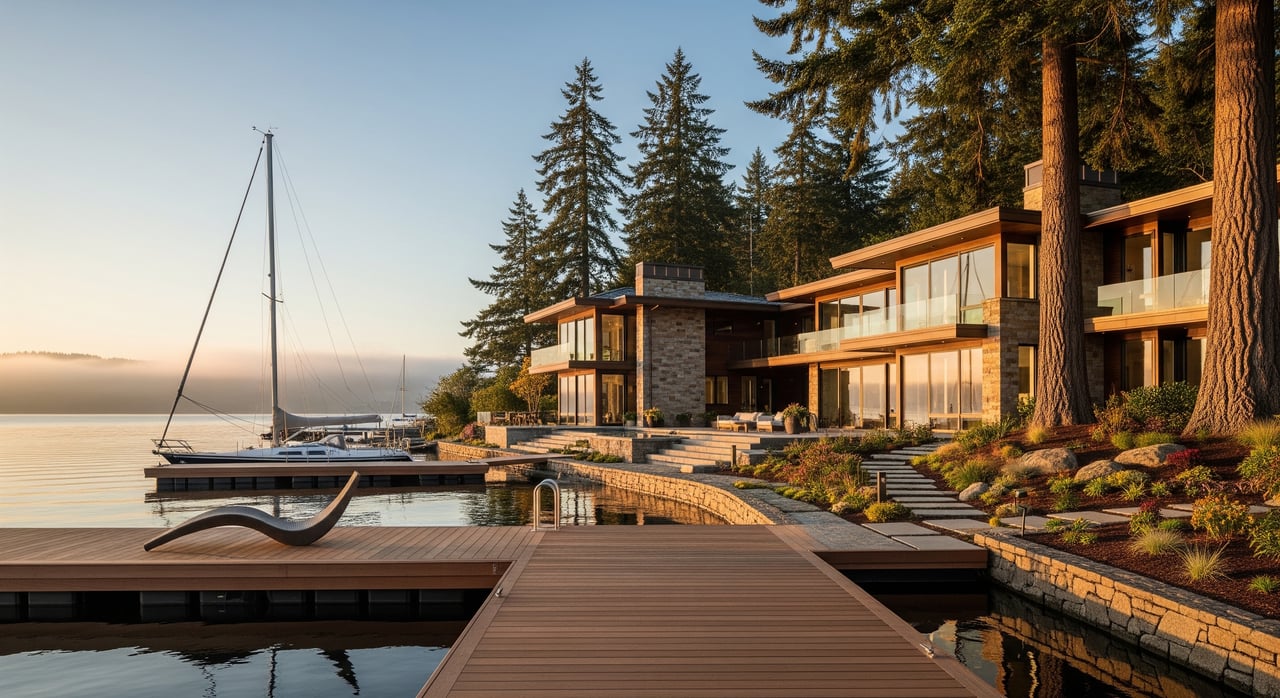
Picture your morning coffee with glassy water in front of you, a paddleboard waiting at the dock, and downtown Lake Oswego just a quick stroll or drive away. If you are exploring waterfront living on Oswego Lake in 97034, you are likely balancing the dream with practical questions about access, docks, rules, and upkeep. You deserve a clear, first-hand look at what daily life feels like and what to verify before you buy. This guide gives you that balanced view so you can move forward with confidence. Let’s dive in.
Lake Oswego waterfront at a glance
Oswego Lake shapes daily life in Lake Oswego. Shoreline parcels in 97034 range from intimate cottage lots to significant estates, often on narrow lanes or private drives rather than a traditional street grid. Homes include renovated mid‑century and Craftsman styles, new luxury builds, and a few condo options with shared waterfront amenities.
One defining feature is limited public access compared with many public recreation lakes. Much of the shoreline and many docks serve residents or members through private or association-based access. This creates quieter shores and a neighbor-centered scene. There are public parks and plazas near the water, but access points are not continuous around the lake.
Daily life on the water
Mornings on the lake
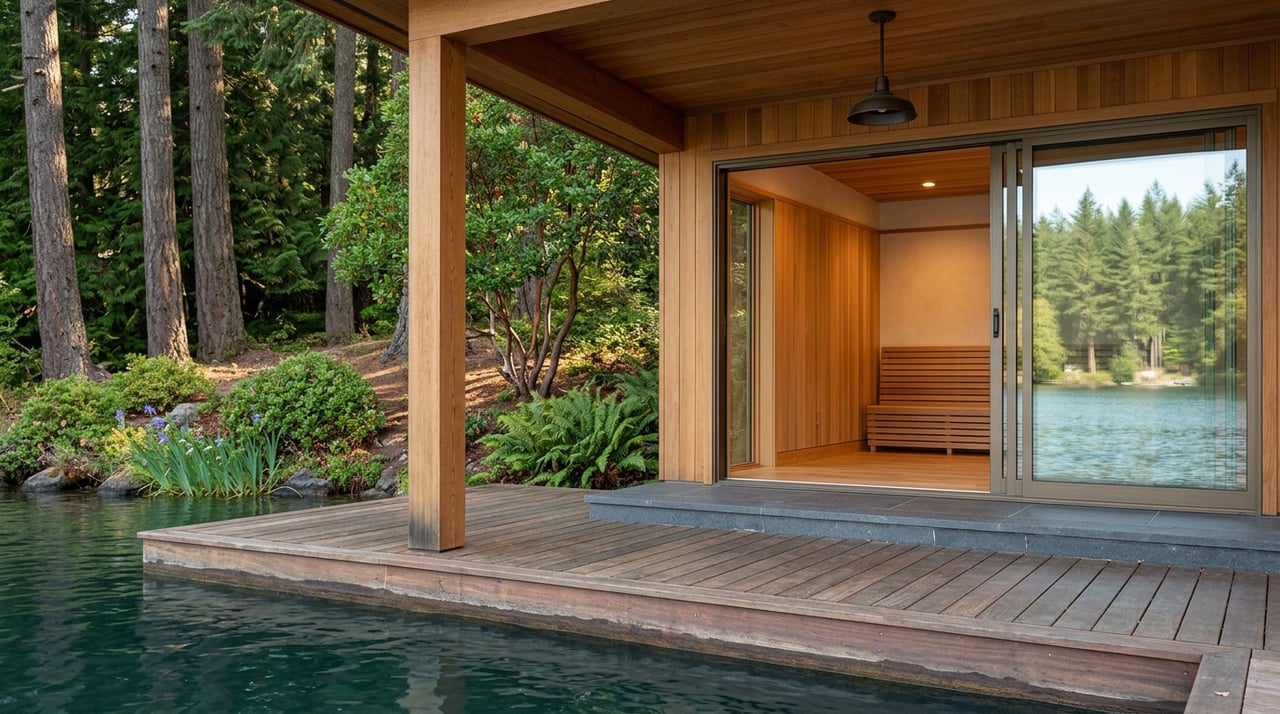
Many residents start the day with lakeside walks, sunrise paddles, or a quiet cup of coffee watching the water. Non‑motorized options like kayaks and paddleboards are popular for exercise and an easy reset before the workday.
Evenings and weekends
After work and on weekends, you will see small powerboats, pontoons, and sailboats out for cruises. Dockside dinners, casual gatherings, and sunset paddles are common. Social life often grows out of shared use of the lake, seasonal traditions, and neighbor connections.
Downtown and lake grove
Most waterfront residents rely on downtown Lake Oswego’s Main Street core and Lake Grove for dining, cafes, boutique shopping, and services. Some west‑lake pockets are walkable to shops and patios, while more secluded enclaves feel tucked away and require short drives. Sidewalks and lighting vary by block, so plan to assess walkability address by address.
Boating and lake rules
Boating is central to waterfront life, and with it comes structure and safety. Expect lake‑specific rules for speed and safety zones. Dock, lift, or slip use is often tied to deeded or association rights, and permits or approvals may be required for installation or changes. Non‑motorized use is widespread, and it is an easy way to enjoy the lake without much prep.
Before you assume a property includes easy boat privileges, verify the exact rights and any association requirements tied to the parcel. It pays to confirm whether boat type, horsepower, or dock dimensions are regulated.
Home styles and lot features
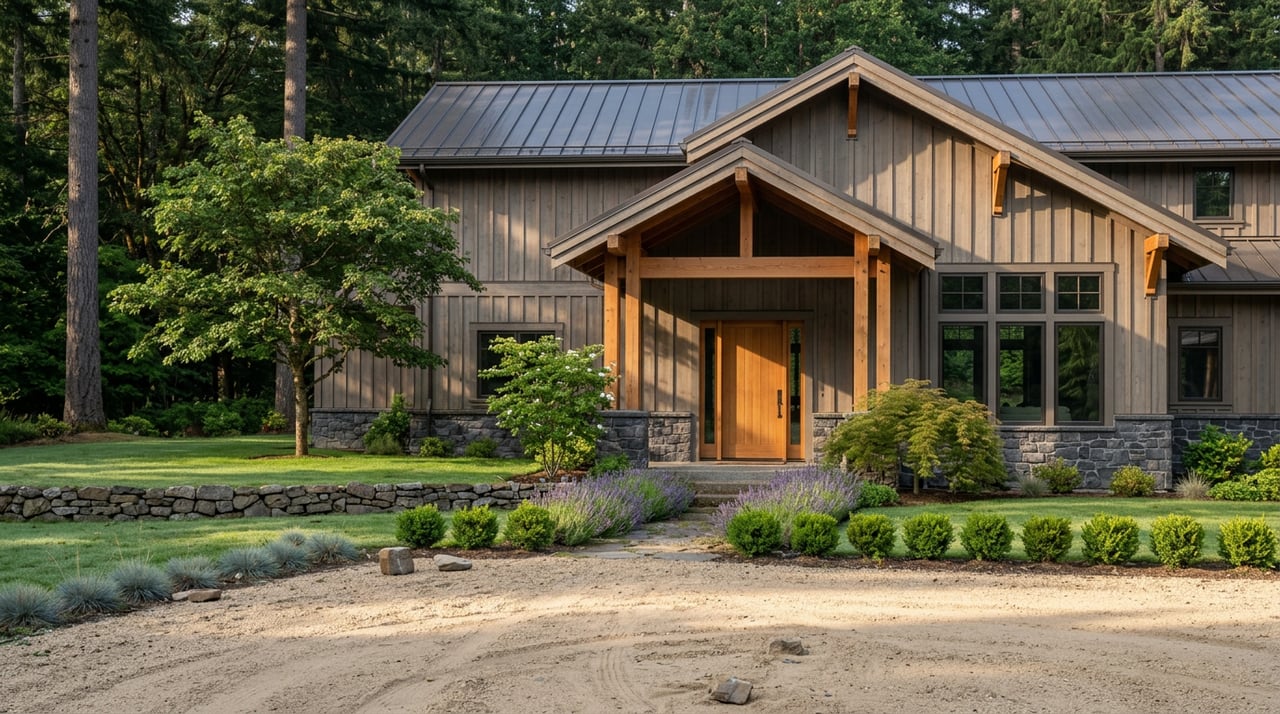
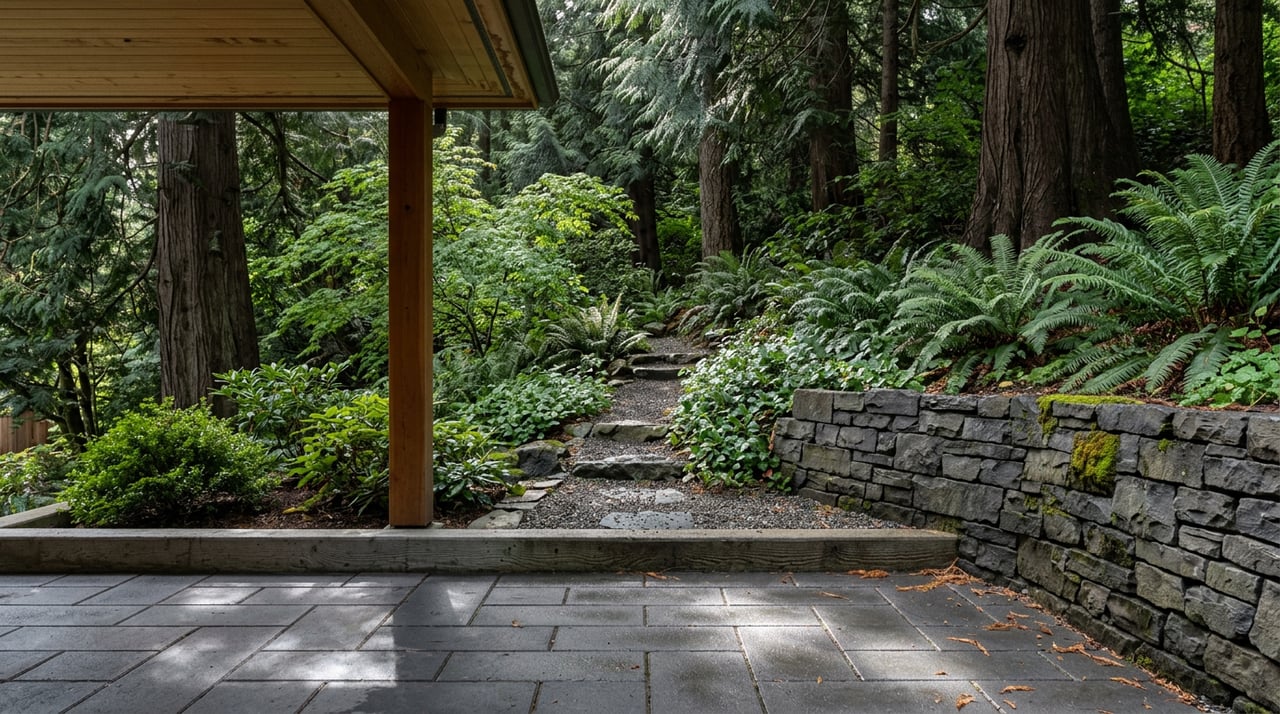
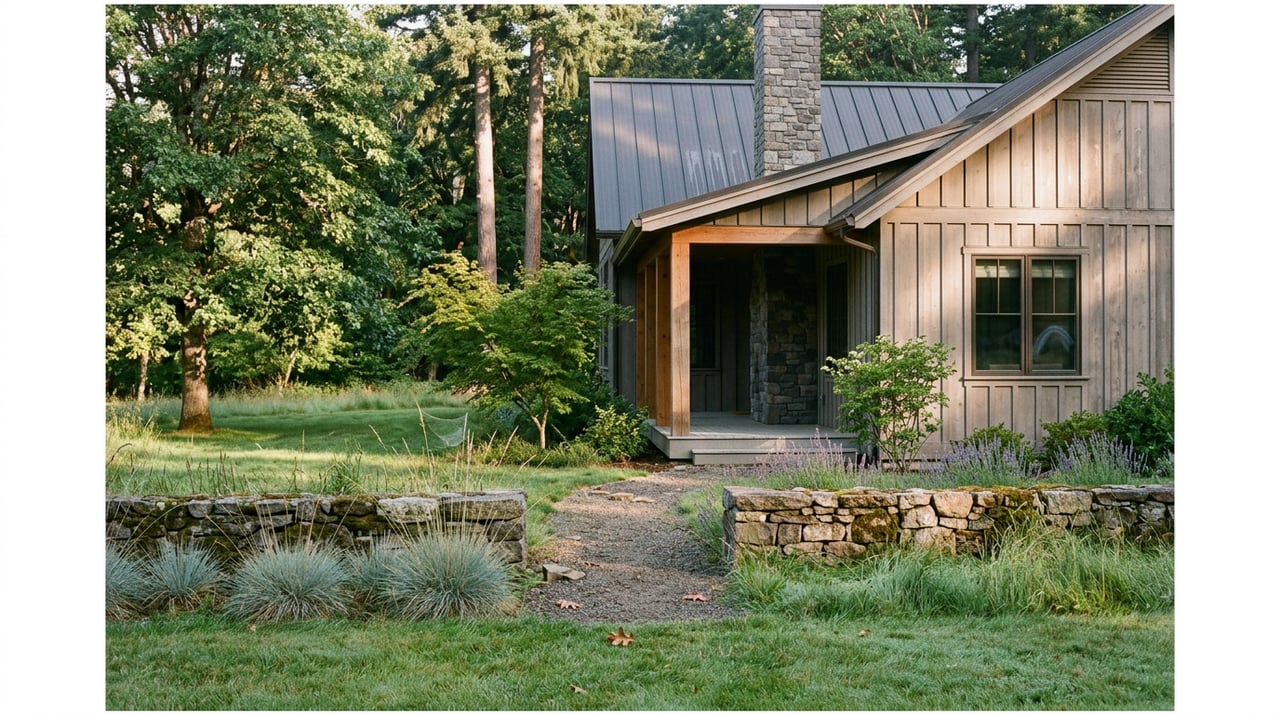
Lakefront parcels can be narrow and long, with terraced yards and stairs to the water. Many lots include retaining walls or seawalls, which help manage elevation and shoreline stability. Private docks or boat slips are common where rights exist, but they are not universal. Some homes share waterfront amenities through a condo or association.
Inside the homes you will see a mix of renovated mid‑century designs and newer construction that maximizes views and indoor‑outdoor flow. The setting often dictates architecture and landscape choices, so it is smart to review past permits to understand what was built and when.
Walkability and downtown access
Walkability varies widely on the lake. The downtown and west‑lake area can be convenient for walking to restaurants, shops, seasonal events, and the farmers’ market, while other shoreline pockets have winding streets and fewer sidewalks. If you value walkability, focus your search near the Main Street area and other lake‑adjacent zones that offer connected sidewalks. If privacy and seclusion rank first, you will find them on quieter lanes and private drives.
Ownership, rights, and permits
Waterfront ownership is not one‑size‑fits‑all. Deeds can include shoreline or riparian rights, shared easements, or association rules that define your use of the water. Docks and shoreline structures may be governed by private associations or corporate entities, as well as city and state rules.
Plan to consult:
- City of Lake Oswego for development code, building, and shoreline permits.
- Oregon state agencies, such as the Department of State Lands, for projects in or over the water that may trigger review.
- Any lake‑management entity or homeowners’ association that sets standards for docks, lifts, vegetation, or boating.
A thorough title review and permit history check are essential. This is where a seasoned local team adds value.
Maintenance and seasonal realities
Owning on the water is special, and it comes with ongoing care. Expect multi‑year maintenance cycles for docks, lifts, and gangways, since wood and metal weather in marine‑like conditions. Retaining walls or seawalls may require repair over time, especially after winter storms.
Seasonally, summer is peak for recreation. At times, aquatic vegetation and occasional algal events can affect swimming or water clarity. Winter can bring debris and wind that stress docks and shoreline plants. Budget for routine upkeep, and ask sellers for service logs and contractor contacts.
Insurance and risk planning
Waterfront homes often require careful insurance planning. Homeowners may see higher premiums or policy endorsements tied to water‑related risks. Flood insurance is parcel specific and depends on FEMA mapping, so confirm the exact flood zone for the address. Your lender and insurance advisor can help you decide what coverage is prudent.
Emergency access is another practical factor. Some properties sit on narrow roads or private drives. It is a good idea to evaluate driveway access and to understand how emergency services reach the home.
Schools and daily conveniences
The Lake Oswego School District is widely recognized in the region, which is a frequent consideration for buyers with families. For the most current school assignments and performance information, check official district resources and state report cards for the specific address.
Day‑to‑day errands are simple, with groceries, personal services, and health care clustered in downtown Lake Oswego and Lake Grove. Regional hospitals and specialty care are available across the Portland metro area. Many residents commute by car to Portland or nearby job centers. Public transit exists, but it is more limited than inner‑Portland service, so plan to confirm routes and schedules if transit is important to you.
Market context and timing
Waterfront homes in Lake Oswego command a premium over typical metro‑area medians. Price and value hinge on water frontage, dock rights, lot size, view corridors, architectural quality, and renovation level. Supply can be tight, and properties vary block by block. For timely context, review current RMLS or broker market reports for 97034, including median price, days on market, and active inventory.
If you want to position yourself to act quickly, a pre‑offer plan and vendor support matter, especially for inspections and dock evaluations during short timelines.
What to verify for any address
Use this checklist to structure your due diligence:
- Deeded rights: Confirm shoreline, dock, lift, or slip rights in the title report.
- Association rules: Identify any lake‑management or HOA standards for docks, boat types, and vegetation.
- Permit history: Pull city permits for dock work, seawalls, retaining walls, and major renovations.
- State review: Ask whether past or planned shoreline projects required state permits.
- Maintenance records: Request logs for dock service, lift repairs, and shoreline stabilization.
- Flood and insurance: Verify FEMA flood zone and discuss coverage needs with your insurer.
- Walkability and access: Map sidewalks, lighting, and the route to downtown or Lake Grove.
- Emergency access: Evaluate driveway width, turnarounds, and road conditions.
- Commute plan: Drive your route at your typical time or confirm transit options.
How we help you buy with confidence
Choosing the right waterfront home in 97034 takes local intelligence and a clear process. Our team pairs long‑tenured neighborhood knowledge with a concierge approach that handles the details. We coordinate title and permit reviews, line up trusted dock and shoreline contractors, and guide you on association rules so your offer reflects real‑world use and costs. If you are relocating, we also streamline school, commute, and vendor onboarding.
When you are ready to explore the lake, we will align showings with your lifestyle goals, from downtown‑adjacent pockets to quieter coves. You focus on the view and the fit. We handle the rest.
Ready to talk through your plans for Oswego Lake living? Connect with the Kendall Bergstrom Group to start a tailored, white‑glove consultation.
FAQs
What is lake access like for residents and the public on Oswego Lake?
- Public access is more limited than a typical public recreation lake, and many docks and shoreline areas serve residents or members through private or association‑based access.
Can a Lake Oswego waterfront home include a private dock?
- It depends on the deeded rights for that parcel and any association rules; confirm title, recorded easements, and permit history before assuming dock or lift rights.
What maintenance should I expect for a waterfront home in 97034?
- Plan for ongoing dock, lift, and gangway upkeep, periodic repairs to retaining walls or seawalls, and seasonal clean‑up after storms, plus routine landscaping suited to shoreline conditions.
Do I need flood insurance for a home on Oswego Lake?
- Flood insurance depends on the specific FEMA flood zone for the address; verify the parcel’s designation and discuss coverage with your insurer and lender.
How walkable are Lake Oswego waterfront neighborhoods?
- Walkability varies by block; downtown and some west‑lake pockets are more walkable to shops and dining, while other shoreline enclaves are more secluded and car‑dependent.
Which schools serve waterfront addresses in 97034?
- Lake Oswego School District serves the area; check current district resources and state report cards for up‑to‑date school assignments and performance for a specific address.
What should I know about boating rules before I buy?
- Expect lake‑specific speed and safety zones and possible rules on boat types and dock dimensions; verify with the city, any lake‑management entity, and applicable associations before use or alterations.